
A Menu Planning Guide for Coffee & Restaurant Chains
A refresher is a cold, fruit-forward drink that is light, colorful, and easy to sip any time of day. If you have seen the word on a coffee shop or fast-food menu and wondered what is in it, how much caffeine it has, or how it differs from lemonade, this guide covers it: the definition, popular flavors, caffeine, and how refreshers compare with the drinks they are most often confused with.
Refresher drinks are one of the fastest-growing beverage categories in foodservice, and they’re no longer limited to coffee shops.
Once associated mainly with cafes, refreshers are now showing up across coffee chains, quick service restaurants, fast casual concepts, and full-service menus. Their appeal is simple: they deliver bold fruit flavor, visual impact, and all-day drinkability without the heaviness of soda or the commitment of coffee.
But as the category expands, many operators are asking the same question:
What exactly is a refresher drink — and how does it fit on my menu?
What Is a Refresher Drink?
A refresher is a fruit-centric, cold beverage designed to be hydrating, flavorful, and easy to drink at any time of day. It typically sits somewhere between lemonade, juice, and iced tea.
According to Datassential, more than two-thirds of consumers have tried a refresher, and nearly half have had one within the past week. That level of familiarity makes refreshers an easy sell, even in segments where they’re still relatively new.
While the category is broad, most refresher drinks share a few defining characteristics:
- A clear fruit flavor hero, often citrus, berry, or tropical
- A hydrating base, such as water, lemonade, tea, or another functional liquid
- Light to moderate sweetness, balanced by noticeable acidity for a crisp finish
- Vibrant color, designed to look great in glass or to-go formats
- Low or no caffeine (only about 22% of consumers prefer caffeinated versions)
The result is a beverage that feels refreshing, modern, and repeatable — not a once-in-a-while indulgence.
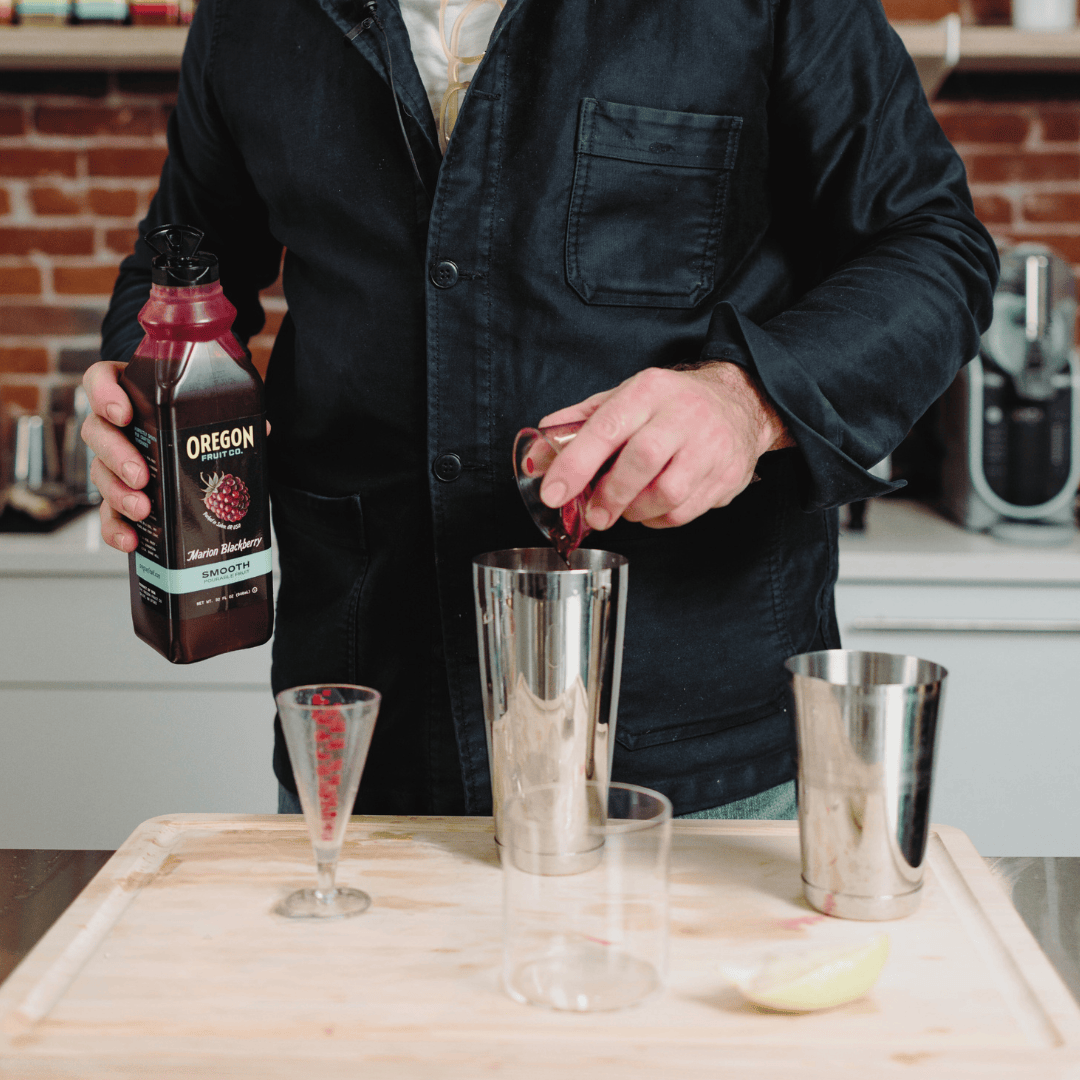
Oregon Fruit makes real fruit refreshers for cafés, restaurants, and beverage makers, built on fruit purees and juice concentrates rather than flavoring alone.
How Long Have Refreshers Been Around?
The idea itself isn’t new. Lemonade, aguas frescas, and lightly sweetened fruit drinks have been refreshing guests for generations.
What is new is how recent beverage trends have defined and packaged these drinks into a recognizable category.
Over the past decade, large coffee and quick-service chains introduced refresher-style beverages to mainstream menus. In doing so, they trained consumers to look for drinks that are:
- Colorful and fruit-forward
- Not coffee, not soda
- Light enough for multiple dayparts
- Still indulgent enough to feel like a treat
Today, operators of all sizes are creating their own versions, and refining what “refresher” means within their brand.
Why Consumers Love Refresher Drinks
Refreshers succeed because they solve several very current consumer needs.
1. Flavor Without Heaviness
Guests want beverages that feel special but still fit into daily routines. Refreshers deliver:
- Real fruit flavor
- Controlled sweetness
- A lighter alternative to carbonated soft drinks
This makes them easy to order multiple times per week — or even per day!
2. Fruit-Forward Appeal
Consumers continue to gravitate toward fruit-driven flavors, especially:
- Citrus and berry combinations
- Tropical fruits
- Herbal, floral, or tea-based elements
These profiles feel modern and flexible, working just as well in the morning as they do in the afternoon or evening.
3. Better-For-You Signals
While refreshers aren’t automatically “health drinks,” they carry a lighter, more natural perception when done well. They often feature:
- Real fruit as the flavor driver
- Lower total sugar than traditional fountain beverages
- Short, recognizable ingredient lists
For many guests, that’s enough to justify choosing a refresher over soda.
4. Visual Impact That Sells Itself
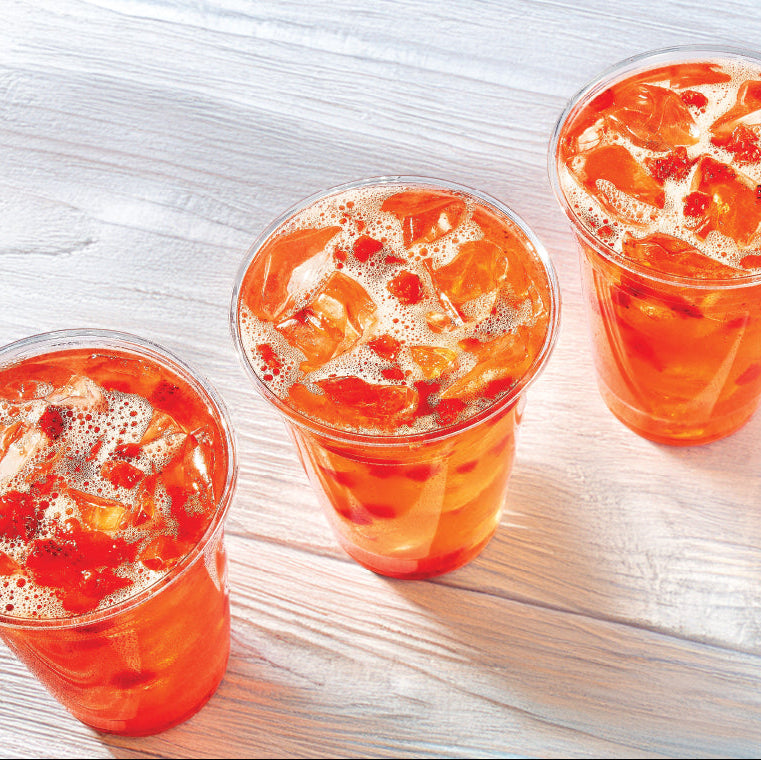
Color matters. Clear cups, vibrant hues, fruit inclusions, and simple garnishes all reinforce the idea that a refresher is worth ordering — and worth sharing.
In a digital-first world, refreshers photograph extremely well, which only accelerates trial.
Where Refresher Drinks Fit in Foodservice
Refreshers started at coffee chains: Starbucks launched its Refreshers platform in 2012 and Dunkin' followed in 2020. They now appear on quick-service menus such as McDonald's, in sit-down restaurants, and on bar menus as zero-proof options. According to Datassential, refreshers grew 33% on U.S. menus over the past 12 months, and they are especially popular with younger drinkers: 45% of Gen Z say they like or love refreshers, compared with 26% of consumers overall.
As beverage menus continue to evolve beyond coffee and soda, refreshers are becoming less of an experiment, and more of a menu essential.
Ready to Add Refreshers to Your Menu?
If you run a café, restaurant, or beverage program, our operator guide walks through choosing a base, building a core flavor lineup, costing recipes, and training your team: How to Build a Refresher Menu.