
This time of year, a lot of our calls start the same way. Someone is sketching out a winter beer, a holiday dessert or a seasonal RTD, and they want to know which red fruit to reach for: cranberry or pomegranate. Sometimes the answer is both.
So let's give them a closer look: what each one brings, where ours come from, and a few ideas if you’re planning what comes next on your production floor.
They look alike but don't act alike
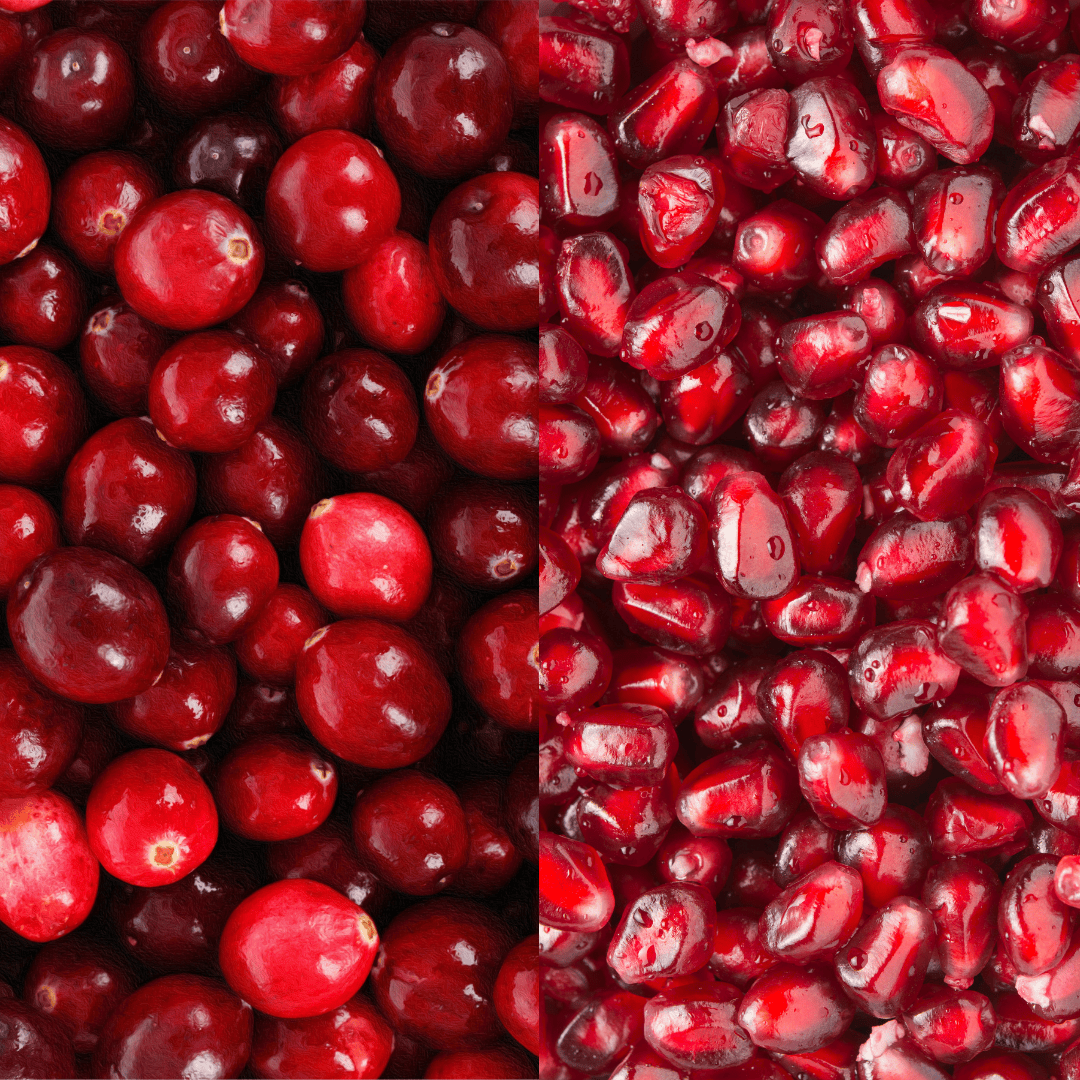
Pour them side by side and you would have a hard time telling them apart. Both are deep red and tart. But that’s where the similarities end.
Cranberry is the lean one. It has very little sugar and a lot of acid. Here is what that does in a finished drink.
- Brightness. Acid makes the other flavors in a drink read sharper and cleaner. A small amount of cranberry can wake up a beer or soda that tastes flat.
- A dry finish. With so little sugar, cranberry does not leave sweetness behind. The sip ends crisp and tart instead of sticky.
- Balance. Cranberry’s acid cuts through sweetness, so it gives syrups and sweeter bases something to push against.
- Color. Even a light addition turns a drink pink to ruby red.
What cranberry will not do is add much body. In beer, it contributes very little fermentable sugar, so it changes flavor and color without moving your gravity much. On its own, it can come across thin and sharp.
Pomegranate is the rounder one. It carries about three times the sugar of cranberry, softer acidity and a touch of tannin. Here is what that does in the glass.
- Body. In syrups, sodas and other unfermented drinks, pomegranate’s sugar adds weight and a fuller mouthfeel.
- Structure. The tannin gives a slight grip on the palate, a bit like a young red wine. It helps a light beer or NA drink feel less watery.
- Fruit flavor. Pomegranate tastes juicy and berry-like. It fills the middle of the sip, where cranberry tends to drop off.
- Softer tartness. The acid is there, but it does not bite.
In beer, much of pomegranate’s sugar ferments out, so the body you notice comes more from the tannin than from sweetness. The fruit character and color stay.
That difference is why they get along so well. Cranberry gives a drink its edge up front and a clean finish. Pomegranate gives it something in the middle. On its own, cranberry can taste sharp and thin, and pomegranate can lean soft. Together you get a drink that is bright, full and finishes clean. (If you want to talk through ratios for something you are working on, we are always glad to!)


Where each fruit grows best
We source each of these fruits from the place it grows best. For cranberries, that is Bandon, on the southern Oregon coast. It is a small town with a long cranberry history, and it grows about 95 percent of Oregon’s crop.
Oregon cranberries are unique; they’re sweeter than cranberries grown elsewhere in the country. The coast has mild autumns, so growers are not racing an early freeze the way they are in Wisconsin or Massachusetts. The berries hang on the vine longer and come off with more sugar and deeper color.
They are still tart; the fruit is still a cranberry. Just a little rounder, which means less added sugar to find balance in a syrup or soda, and a softer finish in a sour beer.
Our pomegranates come from growers in California. Pomegranates do not grow well enough in Oregon for commercial growers to plant them here. They need a long, hot growing season to ripen fully, and Oregon summers are not long or hot enough to make them a commercial crop. Fortunately, our neighbors in California have what they need.
Pomegranates thrive in hot, dry summers and mild, wet winters, and most of the state’s crop is grown in the San Joaquin Valley. California is the country’s top pomegranate producer, and their long, hot summers are what give pomegranate its deep ruby color, juicy sweet tart flavor and the touch of tannin that gives it structure in a finished drink.
What our customers are making
A couple of our customers are already putting these fruits to good use. Yellow Springs Brewery in Ohio releases Jörd’s Bounty on this upcoming November, a Viking- inspired gruit ale made with rosemary, caraway seed and our cranberry puree.
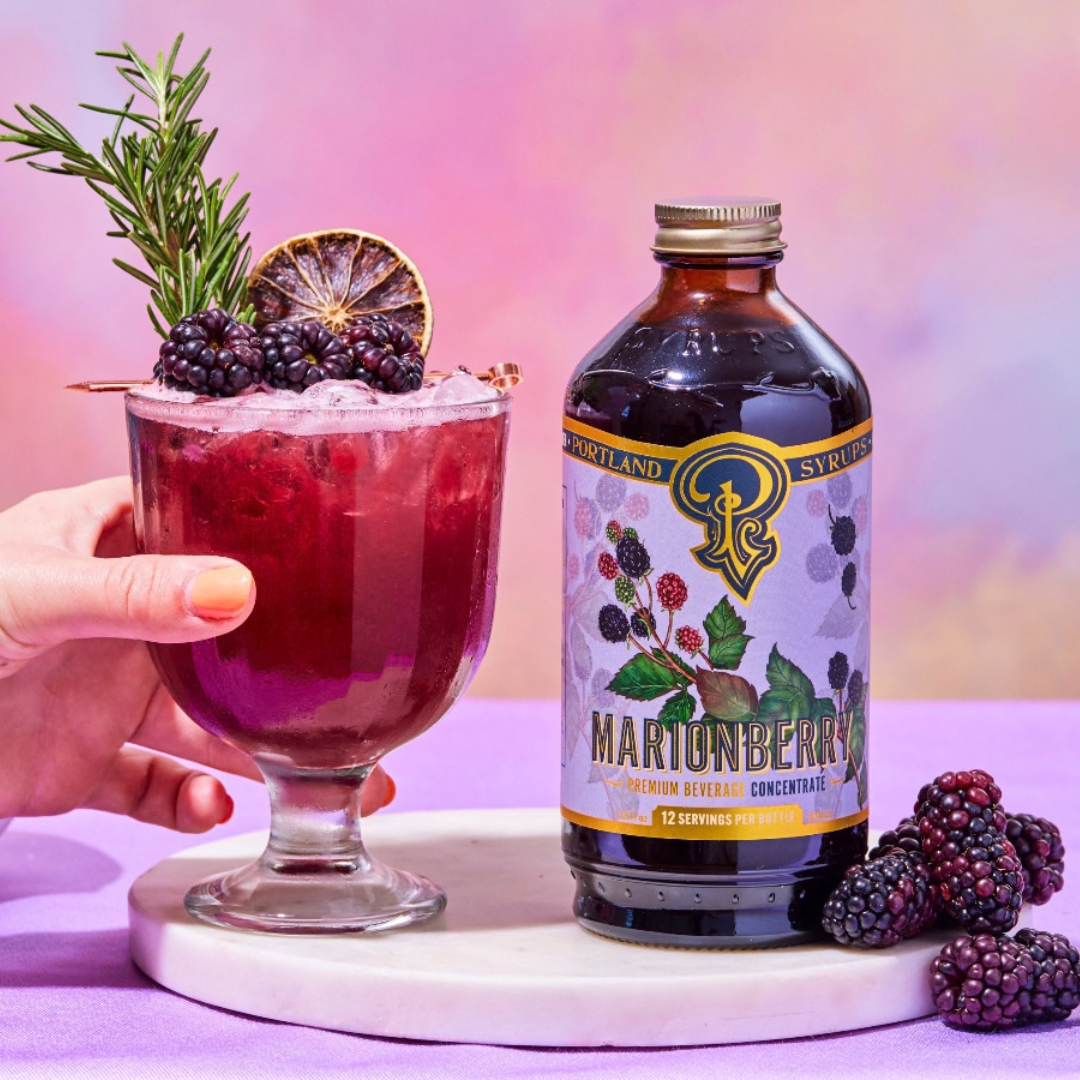
Closer to home, Portland Syrups uses our fruit in syrups like their Spiced Cranberry and Pomegranate Cherry. We spent a morning on their production floor recently, and you can read about that visit below.


A few ideas if you are planning ahead
- Brewers: Cranberry fits a gose, Berliner weisse or saison. Pomegranate works in a kölsch or golden. Both together make a good winter sour. Start around a half pound to a pound per finished gallon, and add cranberry once primary is well along, since it can be slow on yeast. We get into that more in Cranberry Beer Beyond the Holiday Stout.
- Syrup and soda makers: Pomegranate’s natural sugar lets you pull back on added sweetener. A little cranberry keeps it from tasting like candy.
- Kombucha brewers: Cranberry holds its own against a tart base without getting lost, or pair it with pomegranate or apple for more flavor differentiation..
- Cafe and bar managers: A house cranberry pomegranate syrup covers spritzes, sodas and NA drinks through the holidays and well past them.
Ready whenever you are
Both fruits are available year-round. Our aseptic cranberry puree and pomegranate juice are shelf stable and come in 42-pound boxes and 425-pound drums, so there is no rush to fit them into one season. A cranberry lager in spring. A pomegranate soda in July. Whatever your calendar looks like, the fruit will be ready when you are.
If cranberry or pomegranate is on your list, or you are just curious what they would do in something you already make, reach out. Your Oregon Fruit contact can help you find a starting point, and we are happy to send samples so you can try them in your own base first. Just email us at fermentation@oregonfruit.com.


Why are Oregon cranberries sweeter?
Oregon’s mild coastal autumns give cranberries a longer growing season. The berries ripen longer before harvest and develop more sugar and deeper color than cranberries from colder growing regions.
Where does Oregon Fruit source its cranberries and pomegranate?
Oregon Fruit sources cranberries from growers in Bandon, on the southern Oregon coast, and pomegranate from growers in California.
Are cranberry and pomegranate available year- round?
Yes. Oregon Fruit cranberry puree and pomegranate juice are shelf stable and available all year in 42lb boxes and 425lb drums.
What is the dosing rate for cranberry and pomegranate in beer?
The suggested dosing for both fruits is a half pound to one pound per finished gallon of beer. That goes for our cranberry puree and our pomegranate juice. Trial a few small samples within that range first, taste for acid and color, and scale up from the one you like best.