
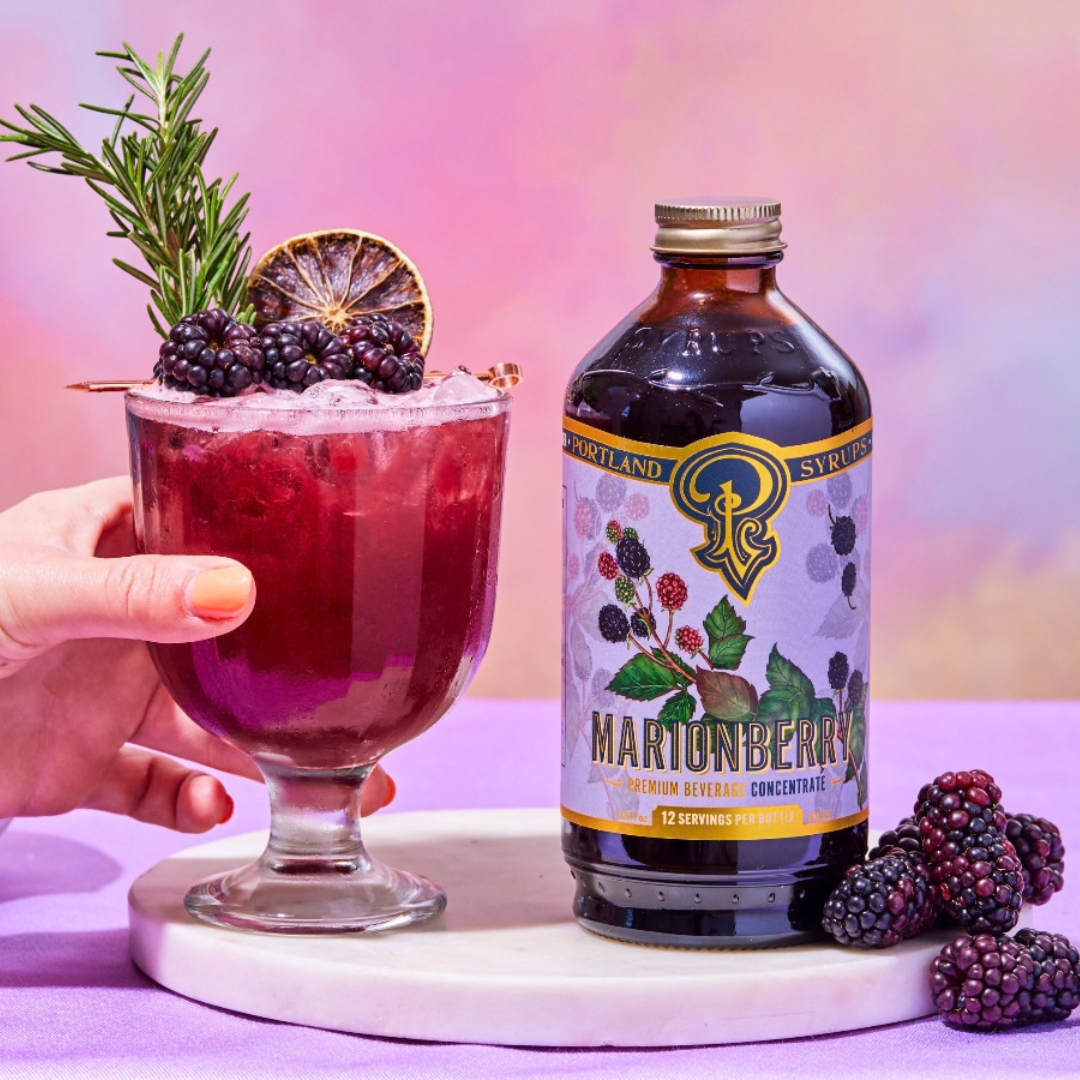
Most syrup makers hit the same wall sooner or later: flavorings get you close, but not all the way. Portland Syrups hit it too, back when they were still cooking on a stovetop. Today they ship syrup to bars and beverage makers across the country, and a good chunk of that growth is built on real fruit puree. Ours, as it happens. We spent a morning walking their production floor and bottle shop to see how it all comes together.
From stovetop to a wholesale syrup line
Portland Syrups began in 2012 in a home kitchen, on a stovetop, with flavors like cola, root beer and ginger. Good stuff, but not fruit forward yet.
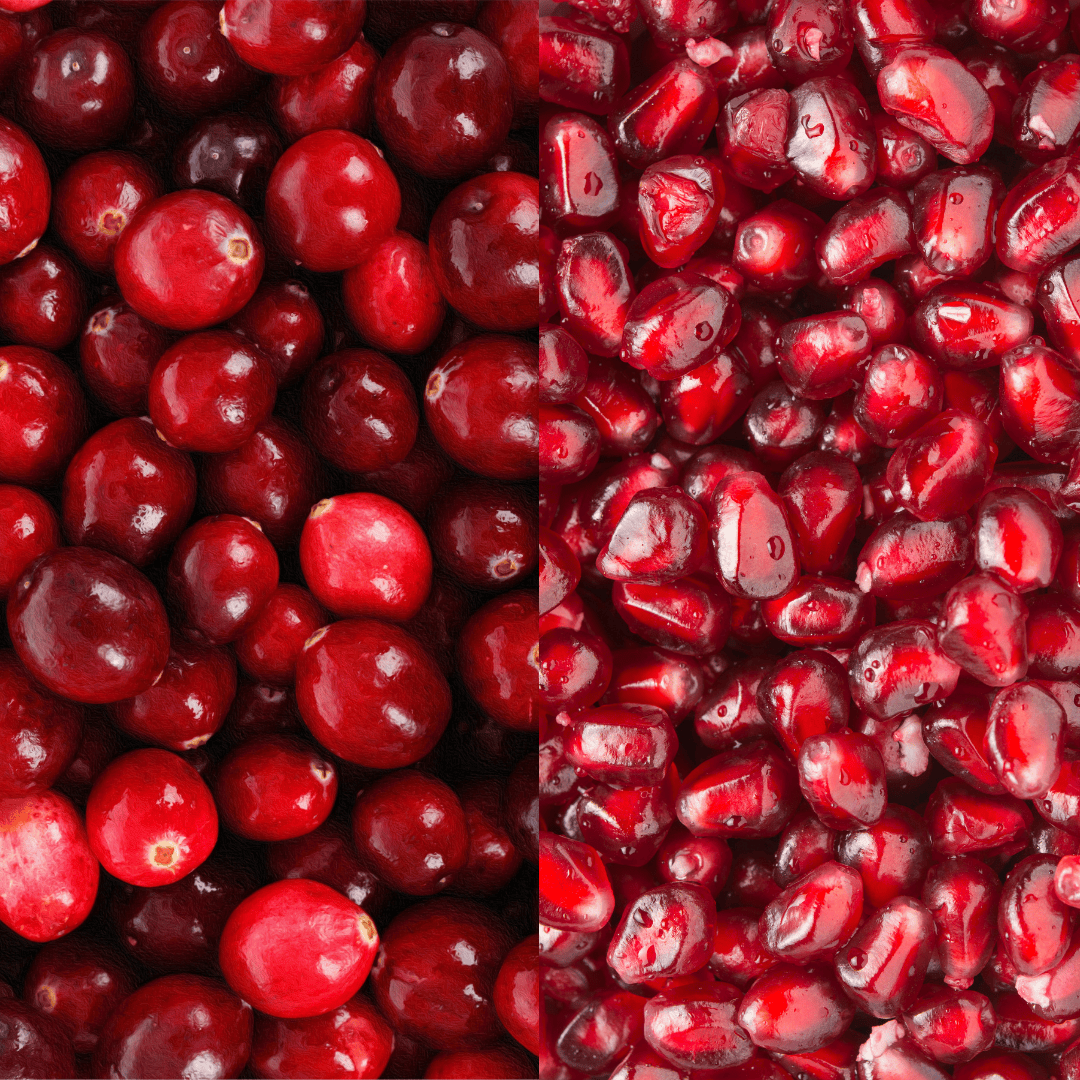
That changed once they found real fruit puree, sourced and packed here in Oregon. As Genevieve says, Oregon Fruit aseptic purees “gives us that really nice fresh fruit flavor that you cannot get from steeping dried peel or dried fruit. You can’t get it from flavorings at all.”
Today Portland Syrups runs close to 40 SKUs, not including the barista series, and most of them are built on more than one fruit or flavor working together. Only two are single fruit syrups. That kind of layering takes real fruit, not a shortcut.
The company has grown its people along with its flavor lineup. Genevieve Brazelton, founder of the cocktail bitters line Bitter Housewife, once shared a kitchen space with Portland Syrups and has since joined the team as Head of Brand & Product Marketing. Portland Syrups now runs its own production facility and a cafe and bottle shop open Wednesday through Sunday, serving matcha and dirty sodas to the neighborhood.
A peek at how the syrup gets made
Every batch starts the same way. They call it a brew.
Three steam kettles get filled with hot water and fruit puree. Spices go in steeped like tea, in bags sized for a kettle instead of a cup. Sugar comes next, and the brew gets brought to the right temperature, brix and pH before it moves to bottling. From there, bottles slide down the hand path, through a heat tunnel and a quick rinse, get banded, then run back through the tunnel for labeling.
A syrup can take an hour and twenty minutes start to finish, or the whole day, depending on the flavor. A thin syrup with citric acid moves faster than a thick, high brix one. Some days the team turns around five flavors. Other days, one flavor gets the whole day. That kind of range only works if the fruit puree behind it shows up the same way every time- that's where we come in.
Fruit sized for all production days
Portland Syrups' production team needs to stay nimble to keep up with the needs of the business. They do not keep a lot of stock sitting in inventory, and plans can change midweek when a new run gets added or an order comes in bigger than expected.
Oregon Fruit's 42-pound boxes of aseptic fruit puree are the right size for most of their production runs. No pallet of inventory to find room for, and because the puree is shelf stable, they are not hunting for precious refrigerator or freezer space to store it either. It sits on a shelf until the day they need it, then it is ready to go straight into the kettle.
And when production calls for a lot more puree, like a three-day run dedicated to grenadine, Oregon Fruit's 425-pound drums are built for that kind of capacity, so the size still fits the job.


Reaching new audiences
Two years ago, Portland Syrups launched a coffee syrup line; a real, craft alternative to the large established brands. Featuring organic cane sugar, all natural flavors, and nothing lab derived, the line originally started with home baristas. This year it grew into a barista series, a higher brix syrup in 750 ml bottles built specifically for cafe service.
The company also sells bulk to beverage manufacturers building RTD drinks, and has collaborated with craft brands like Freeland Gin and Good Wolf. A pomegranate cherry syrup is on deck for the holidays, and this year brought a new line of energy concentrates.
Portland Syrups is at another inflection point now. Capacity is tight, and the production line is due for its next upgrade. Good problems to have, and we plan on being there for the next chapter the same way we were there for this one.

A few things worth borrowing, if you make your own syrup
For coffee shops, bartenders or anyone thinking about building a syrup program in house, a few things stood out from the visit.
- Steep your spices like tea. Portland Syrups uses bags sized for a kettle, but the principle holds at any scale. Steep first, then build the rest of the syrup around it.
- Watch your dilution rate before you scale up. A rough starting point from the beverage world is a half-ounce to a full ounce of syrup per eight-ounce drink, adjusted from there to taste.
- Real fruit puree gets you flavor that flavorings and steeped peels cannot match, and it holds up at any batch size, from a stovetop kettle to a wholesale production line.
-
Shelf stable ingredients buy you flexibility. If your production schedule can turn on a dime, your ingredients need to be able to as well.
Ready for Real Fruit?
Portland Syrups needed real fruit that behaved the same way every time it hit the kettle, stored easily, and could scale from one flavor a day to five. That is the job we show up for, batch after batch, same fruit, same spec, so a maker can spend their time on the recipe instead of worrying about the ingredient.
If you are building a syrup, a soda or an RTD and you are running into the same wall Portland Syrups ran into with flavorings, let’s talk. Reach out ingredients@oregonfruit.com to request a sample, and let us help you get the fruit right.
Why do syrup makers use fruit puree instead of flavorings?
Fruit puree carries flavor, color and body that flavorings and steeped fruit peels cannot fully replicate. Portland Syrups moved to real fruit puree for that reason, building fruit forward syrups they could not make with flavorings alone.
Why choose aseptic fruit puree over frozen puree for a syrup production line?
Aseptic fruit puree is shelf stable at room temperature, so it needs no freezer space and no thaw time. For a production schedule that shifts midweek, that makes it easier to keep on hand and ready to use the moment a batch needs to run.
How much syrup goes into a typical beverage?
As a starting point, beverage makers often use a half ounce to a full ounce of syrup per eight-ounce drink, then adjust to taste and to the syrup's brix.
What makes Oregon Fruit a fit for syrup and soda producers?
Oregon Fruit sources and packs real fruit puree to a consistent spec, batch after batch, so producers get the same flavor and performance whether they are running one flavor a day or scaling up for wholesale.