
Quick answer: To brew a fruit beer with aseptic puree, run bench trials to find your dose, account for the brix the fruit adds, then add the puree during primary fermentation so the sugars ferment out before packaging. Because aseptic puree is sterile and has a known, consistent brix, you avoid surprise refermentation in the keg and can repeat the result batch to batch.
This guide walks through that process step by step. It is built from a real collaboration between Double Mountain (Hood River, Oregon) and Holy Mountain (Seattle, Washington), who cofermented a grapefruit radler with Oregon Fruit grapefruit puree. The beer started as a 20 barrel pilot and scaled to 120 barrels, all kegged, so the methods below hold up at pilot and production scale.
WHAT IS A RADLER
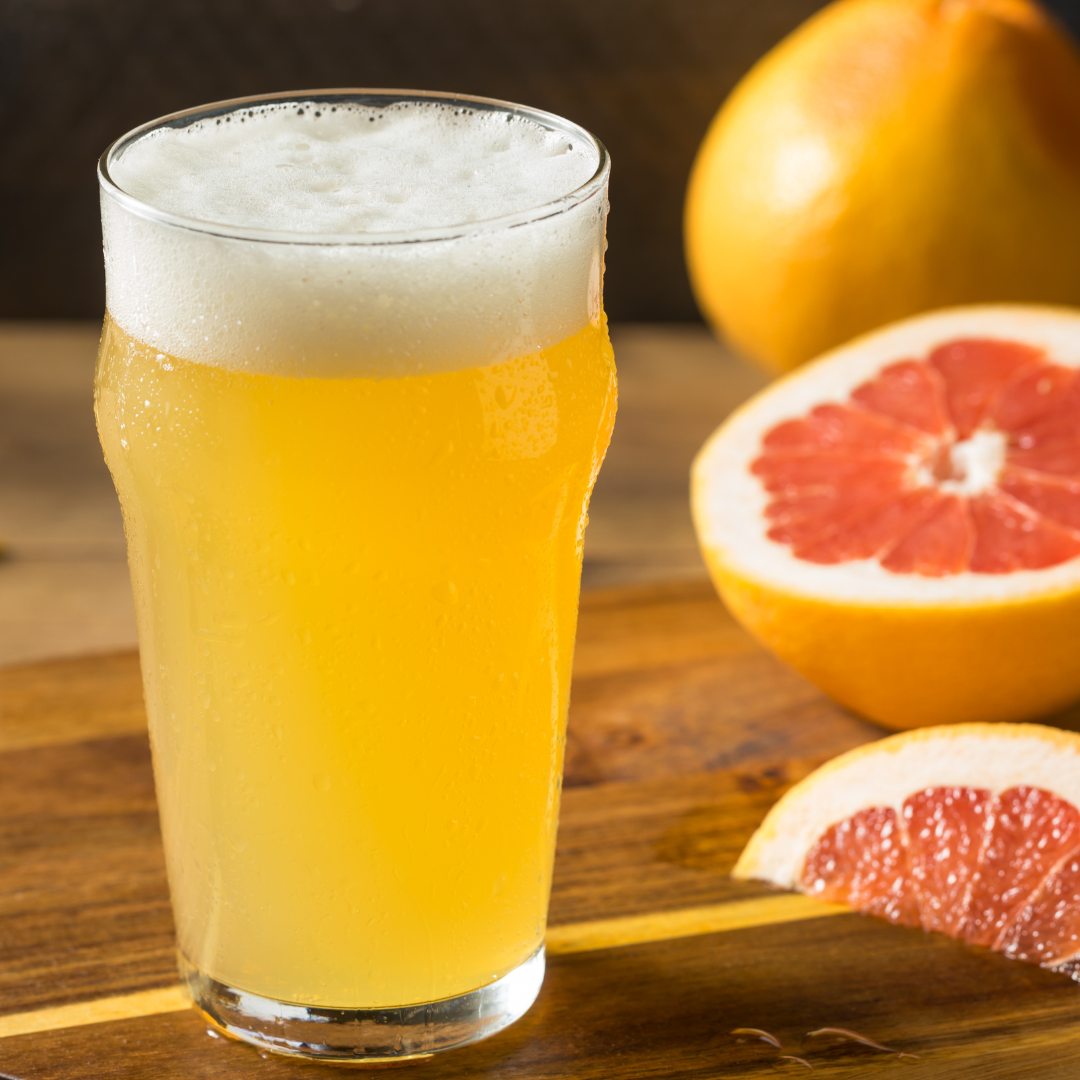
A radler is a low ABV, refreshment-forward beer that traditionally pairs a light lager with citrus. Invented in Bavaria in 1922, the citrus is added as juice or soda after the beer is finished. A cofermented radler instead ferments the fruit in with the beer, which integrates the flavor rather than layering it on top.
The Double Mountain and Holy Mountain version is a coferment. Grapefruit puree goes in during primary fermentation alongside the lager strain and base beer. The target is a bright grapefruit aroma over a baked-bread, biscuity malt background.
WHY BREW WITH ASEPTIC PUREE
Aseptic puree is fruit puree that has been processed and packaged sterile, so it carries no wild yeast or bacteria and ships shelf-stable with a known brix. For brewing, that translates to three practical advantages:
- No surprise refermentation. Because the puree is sterile, you are not introducing organisms that could referment the beer in the package.
- Known, consistent brix. The brix is listed on the product spec, so you can calculate the fruit's sugar contribution and hit your target gravity and ABV.
- Repeatability. Batch to batch, the fruit performs the same, which matters once a pilot scales to production.
For the radler, the brewers wanted no extra fermentables surprising them in the keg and a clear read on a finished beer they had limited experience making. As Holy Mountain's Colin put it, "With aseptic puree you know exactly what you're going to get, the brix going in." He contrasted that with barrel-aged fruit work, where wild yeast on the skins runs the show: "We've sent plenty of beer down the drain that didn't turn out right. Or it turned out good, just at nine percent abv instead of five."
FRUIT FORMATS COMPARED
Choosing a fruit format is a tradeoff between flavor, control, and labor. Here is how the common options compare for a fermented fruit beer.
For this beer the brewers chose puree because the coferment read more natural and full spectrum in trials, and the known brix kept the math clean. Concentrate read a little more one-dimensional for what they wanted here. Your call depends on the flavor and the level of control the beer needs.
HOW TO BREW A FRUIT RADLER, STEP BY STEP
1. Choose the style and base beer.
A radler wants a clean, lightly hopped lager base. Both brewers already knew the target: low hops, low ABV, refreshing. A lager also takes about six weeks, so plan backward from when you want it on tap.
2. Pick the fruit and format.
Match the fruit to the beer. Grapefruit was chosen over lemon and lime for its depth, and because its aroma behaves a little like a hop, which suits a beer that is light on actual hops. Then choose your format using the comparison above.
3. Run bench trials to dial in the dose.
Build measured samples at different fruit levels and taste across them. Double Mountain ran bench trials and traded results with Holy Mountain by email, beakers of measurable quantities going back and forth. None of the trials failed outright. One came in too heavy, one too light, and the final dose sat in between.
4. Account for the brix.
Fruit adds sugar, measured in brix, and most of that sugar is fermentable. Use the brix on your puree's spec to calculate the added fermentables, then adjust your recipe so the finished beer lands at the target gravity and ABV. This is the step that prevents a five percent beer from finishing at nine.
5. Add the fruit during primary fermentation.
Dosing into active primary lets the yeast consume the fruit sugars then, rather than later in the package. Combined with a sterile puree, that is what keeps the keg stable.
6. Manage the practical risks.
Plan for fruit browning and temperature, and staff the additions realistically. The radler ran three turns across two eight-hour shifts, with the lead brewer leaving timing notes for the next shift. Brewer intuition and good handoffs matter as much as the recipe.
7. Taste and confirm.
A clear advantage of puree over skin-on fruit is a faster, cleaner read on quality. As Double Mountain's Matt put it, "With this product we'll know right away if it's good, because there's no skin." There is no waiting months for wild character to resolve.
HOW TO ACCOUNT FOR BRIX WHEN BREWING WITH FRUIT
To account for brix, find the puree's brix on the spec sheet, estimate the fermentable sugar your dose contributes, and fold that into your gravity and ABV targets before you brew. Because aseptic puree has a stable, listed brix, this is a calculation rather than a guess.
This is the difference between whole fruit work and puree work. With fruit on skins and wild yeast, the math is approximate and the outcome can swing. With a known brix going in, you can hit a number on purpose and repeat it.
RADLER VS SHANDY: WHAT IS THE DIFFERENCE
Invented in 18th century Britain, a shandy is a finished beer with lemon juice, lemon soda, or carbonated lemonade added after fermentation. A Radler differs in that it can feature any citrus, including orange and grapefruit. In this cofermented form, our brewers fermented the grapefruit in with the beer. The practical result is a more integrated flavor in the radler. Both radlers and shandys are low ABV and built for refreshment.
FAQ
Can you brew beer with aseptic puree?
Yes. Aseptic puree is sterile and has a known, consistent brix, so it doses predictably and does not introduce organisms that referment the beer in the package. Add it during primary fermentation for the cleanest result.
When do you add fruit puree to beer?
For a stable, repeatable beer, add puree during primary fermentation so the active yeast consumes the fruit sugars before packaging. Post-fermentation additions add flavor but can raise package-refermentation risk if the fruit is not sterile.
How do you account for the sugar in fruit when brewing?
Use the brix listed on the puree spec to estimate the fermentable sugar your dose adds, then adjust your recipe so the finished beer hits the target gravity and ABV. A known brix turns this into a calculation instead of a guess.
What is the difference between a radler and a shandy?
A shandy is a British drink that mixes carbonated lemonade into a finished beer. A Radler is a German mix that allows for a wider variety of citrus and fruit, including the popular grapefruit. A cofermented radler ferments the fruit in with the beer, so the flavor is more integrated.
What fruit is good for a summer beer?
Citrus like grapefruit suits a bright, low ABV summer beer because it brings aroma and tartness without much sweetness. Berries and stone fruit are common choices as well.
Planning a fruit beer of your own? We can talk through dosing rates and brix specs for your recipe. That is the part we like best.