
Premixed cocktails and RTDs grew 17.1% by volume in 2025. That one segment pulled the entire US spirits category into growth for the year, and it surpassed vodka to become the largest spirits category by volume.
That is a good headline for anyone who makes beverages. The more useful question is what is happening inside that number. Within the RTD category, what is actually driving the growth? What are customers reaching for, and which trends are worth paying attention to as you think about what your menu should look like over the next six months?
Here is what the data says.
The cooler looks different than it did five years ago
Walk any decent bottle shop and you can see the shift without reading a single report. In 2021, malt based products held 91% of RTD volume, and spirits-based held 8%. By 2025 it was 77% and 19%.
That growth happened even though spirits RTDs pay more than double the federal excise tax of a malt product and reach far fewer stores. Gaining that much ground while carrying those costs is a strong signal. People are seeking these products out.
People are buying drinks they can name
The products doing well are the known and loved drinks a person can picture before they open the can. Margarita. Paloma. Ranch water. Spritz. Mojito. Espresso martini.
The generic fruit flavored malt product is not what is growing. Recognition is doing a lot of the heavy lifting here. If someone has to read the back of the can to understand what they are about to drink, the product is working harder than it needs to.
Quality is the reason people are switching
The move toward spirits based RTDs is really a move toward the real thing. Consumers are choosing real spirits over malt, and real fruit over flavorings, because they want a drink that tastes like it was made rather than manufactured.
That expectation shows up across the whole category. People know what a fresh margarita tastes like, and they can tell when a can is imitating one with sugar and added acid. The products earning repeat purchases are the ones built on ingredients that stand on their own. A premium experience in a can is absolutely achievable, and it starts with what goes into it.
What flavors are moving
Citrus and tropical are still front of shelf. Lime, pineapple, passionfruit, blood orange. These are proven performers with real staying power, and they earn their place as the anchor of a lineup.
The interesting movement is one tier back. Yuzu, lychee, guava, mangosteen. Fruits that were specialty five years ago are appearing on national brands now, because discovery has become a genuine reason to buy. Younger drinkers in particular treat trying something new as part of the value. They are adventurous, well informed, and curious about where flavors come from, which is a real opportunity for anyone willing to build something interesting.
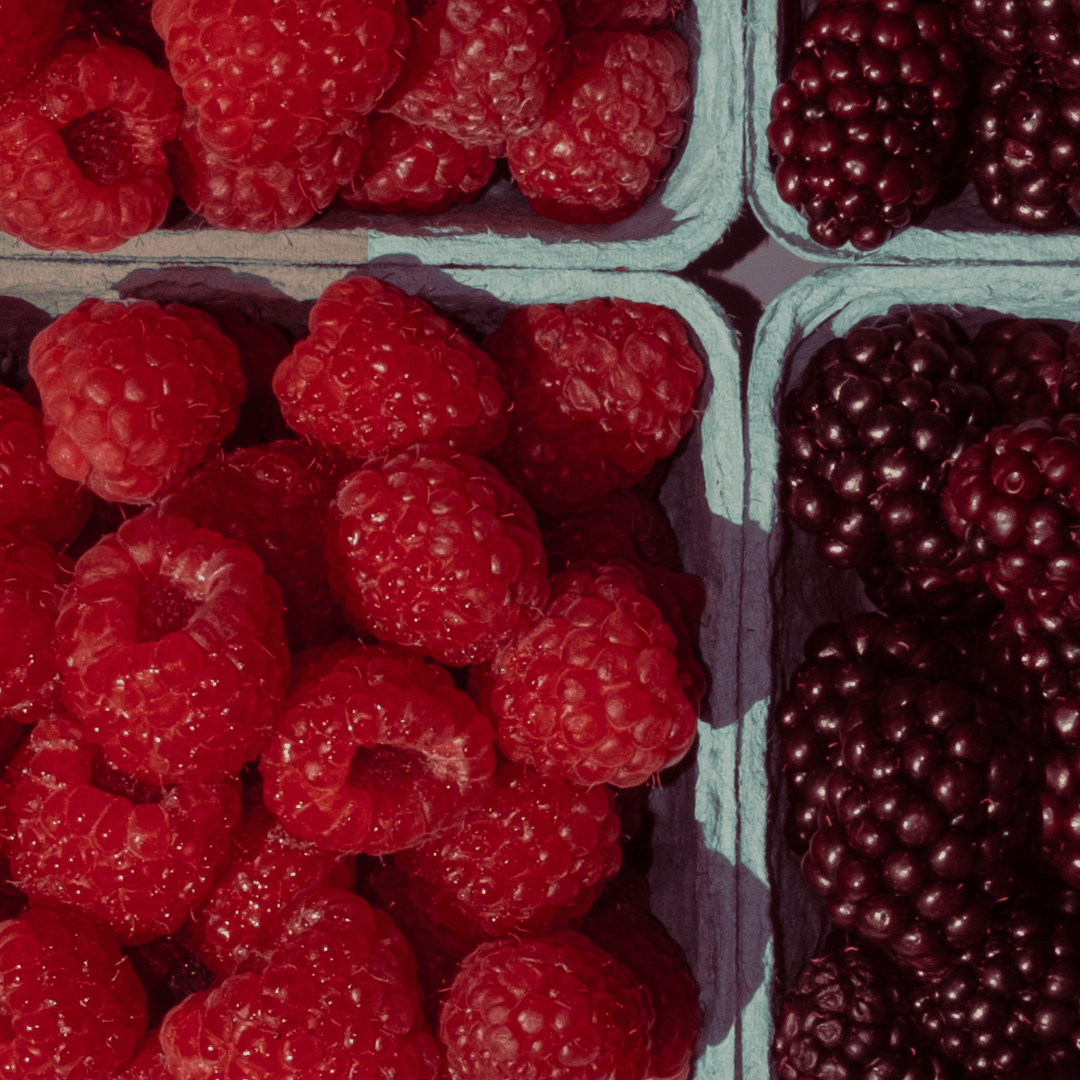
Berries are a perennial favorite, and even here there is room for novelty. Rare caneberry varietals like >loganberry and golden raspberry offer a flavor experience most drinkers have never had in a can. And varieties tied to a specific place, like Marionberry, let a brand tell the story of exactly where that fruit comes from. That story can be worth as much as the flavor.
Zero proof is not a side project anymore
Non alcoholic and lower ABV versions are increasingly built alongside the main line instead of after it, and there is a good technical reason to plan for that early. Take the alcohol out and you lose a solvent, a preservative, and a fair amount of mouthfeel. Now the fruit has to carry the entire drink.
A formula that tastes great at 5% will often fall flat at zero. Better to account for these challenges up front than to reverse engineer solutions later.
The good news
Alcoholic beverages have had a couple of demanding years. But the category that is growing is not growing because it got cheaper. It is growing because the drinks got better. Real spirits, recognizable cocktails, honest flavor, and formats that fit how people actually drink now.
Categories that grow on convenience alone tend to plateau. Categories that grow because the product improved tend to keep going.
That is a good problem to have if you work with real fruit.
The hard numbers
- Premixed cocktails and RTDs: 85.6 million 9-liter cases in 2025, up 17.1%. Now the largest US spirits category by volume.
-
Spirits based RTD volume went from 23.5 million cases in 2020 to 85.6 million in 2025. Nearly quadrupled.
-
RTD volume share: malt fell from 91% to 77% between 2021 and 2025. Spirits rose from 8% to 19%.
-
The broader RTD and ready to serve market hit $13.9 billion at mid 2025, roughly 12.5% of all beverage alcohol sales.
-
Value tier volume rose 7% in 2025 while super premium fell 3.6%. People traded down in price without trading down in expectation.
Our recommendations for building a new RTD cocktail
If you’re looking to put a new RTD on the menu this winter, here’s our quick recommendation based on these trends:
- Start with a cocktail people already know. Recognition does a lot of the marketing for you.
-
Build it on quality ingredients. Real spirits and real fruit are what the growth is rewarding.
-
Design the non alcoholic version at the same time. It is cheaper and it tastes better than retrofitting one later.
-
Look at specific fruit varieties for novelty. Loganberry, golden raspberry, and marionberry give customers an experience they cannot get anywhere else, and they give you a story to tell.
-
Solve for clarity from the start. If you're looking for all the real fruit goodness of Oregon Fruit's original aseptic purees, but with easier filtering, consider our new Filter-Friendly Purees or our aseptic juice concentrates.