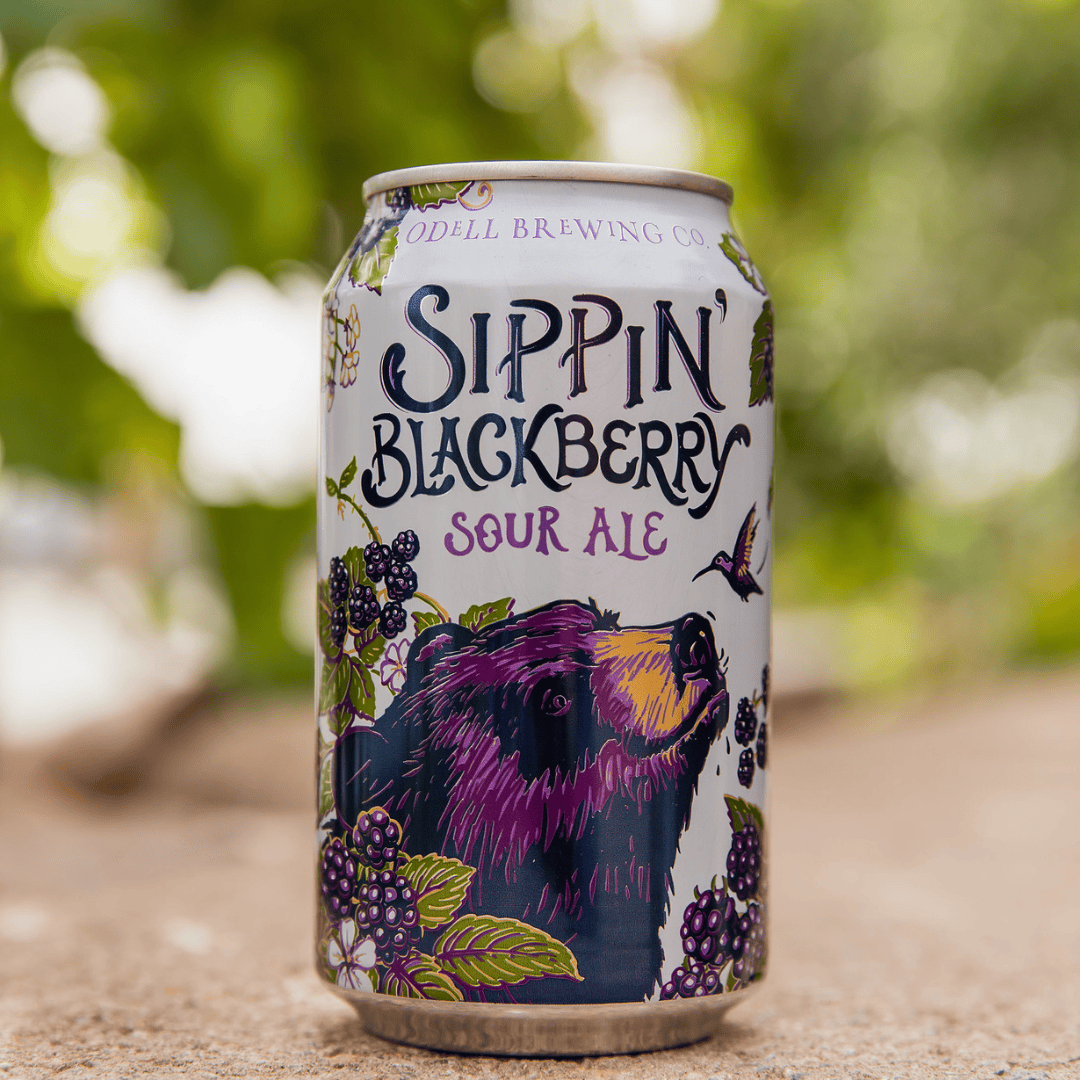

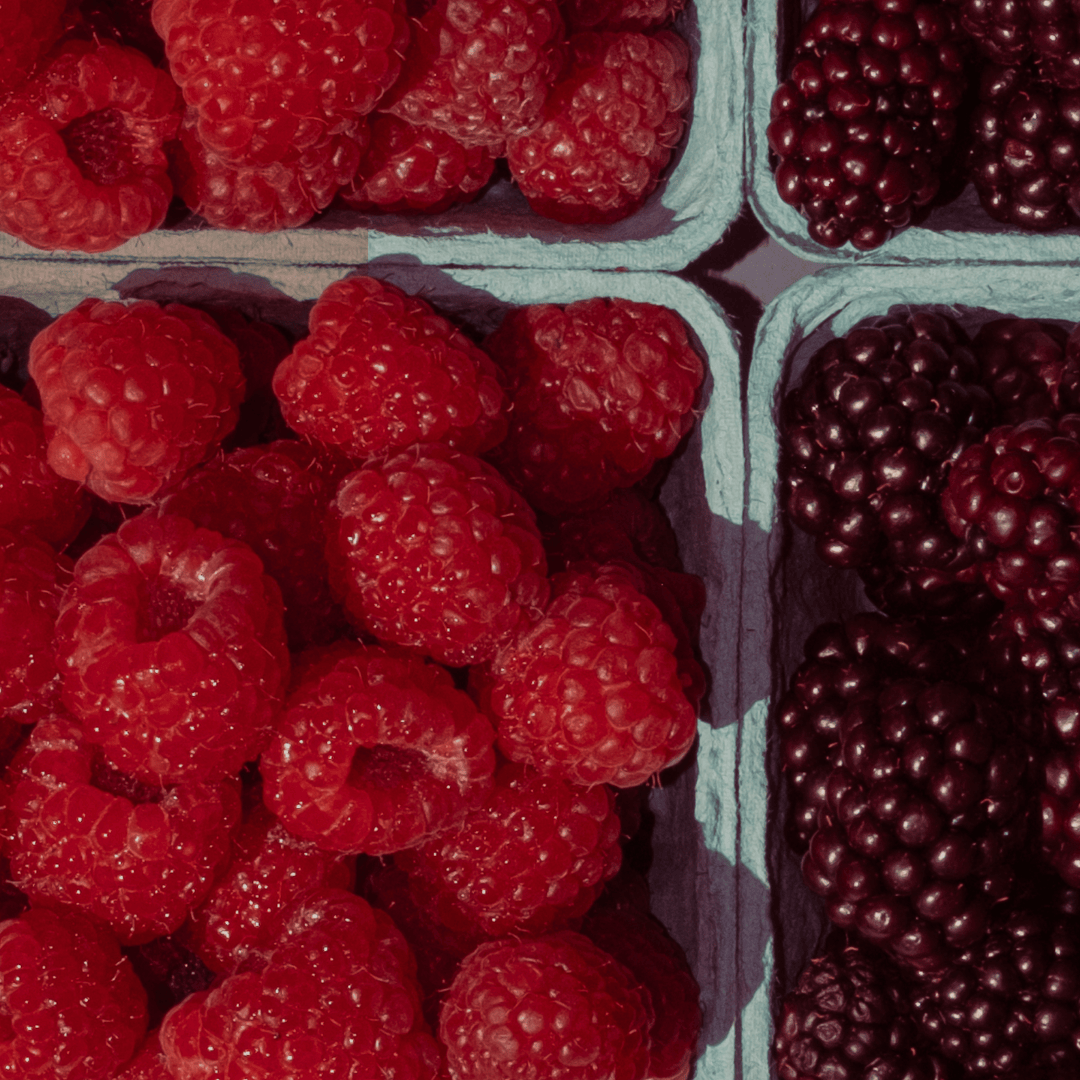
A caneberry is any fruit in the Rubus family that grows on a cane instead of a bush. Raspberries, blackberries, and everything bred from them, including marionberries and loganberries, are caneberries. If it grows on a long arching stem and comes apart into little beads when you pick it, it is a caneberry.
What Makes a Caneberry a Caneberry
Here is the easy way to tell. Blueberries and currants grow on a bush. Caneberries grow on a cane, a woody stem that shoots up one year and fruits the next. The fruit itself is an aggregate, dozens of tiny drupelets clustered around a core. Pull a raspberry apart and you will see it. There is a lot of surface area packed into a small berry.
Raspberries, blackberries, marionberries, loganberries, and boysenberries are all caneberries. Different colors, different histories, same family.
Why Oregon Grows Them So Well
Caneberries want a specific kind of winter and a specific kind of summer, and the Willamette Valley happens to hand them both. Canes need a real chill in the winter to set fruit the following year, but they cannot take a hard freeze. Oregon's wet, mild winters do the first without doing the second. Summers stay dry through harvest, which matters more than people expect. Berries picked in the rain bruise and mold. A dry July and August means a longer, cleaner picking window.
Add volcanic, well drained soil across the valley floor and you get a region that was growing wild berries before anyone tried to farm them on purpose. An 1885 account of the territory put it plainly: there was no place in the known world where wild berries grew so freely as Oregon.
A Very Oregon History
Long before anyone in Oregon bred a caneberry on purpose, two species were already growing wild here. Trailing Blackberry and Blackcap Raspberry are both native to Oregon, found through the woods and tangled along fencerows. In 1881, a California judge named James Harvey Logan planted blackberries next to an old raspberry vine and let them cross. One of the fifty seedlings that came up was strong enough to name after himself. Logan never tried to sell it, but Oregon and Washington growers did, and the loganberry became a Pacific Northwest specialty.
By the 1910s, Gresham had earned the nickname Raspberry Capital of the World. Oregon State University and the USDA started a formal caneberry breeding program out of that momentum in 1927, and it is still running today. A breeder named George Waldo crossed two varieties, Chehalem and Olallie, in 1948. The seedling that came out of it was released in 1956 and named for the county where it was tested: Marion County. That is the marionberry.
A marionberry is not another name for a blackberry. It is its own cultivar, roughly half native Oregon blackberry, a quarter Himalaya blackberry, and a small share red raspberry. Ninety percent of the marionberries grown anywhere in the world are still grown in Oregon. When a post or a label says marionberry, that is what it should mean.
What We Sell
Our year round caneberry lineup is red raspberry, blackberry and marionberry, all available as aseptic puree. Raspberry is consistently our best selling puree of any fruit we carry, and caneberries as a category are some of the strongest sellers we have.
We also bring in caneberries as limited time offerings when the harvest allows it. This fall that includes loganberry grown by Bauman's Farm and Garden in Gervais, just up the road from us in the Willamette Valley. We introduced loganberry to our seasonal aseptic puree line last year. We're excited to bring it back, particularly for those who missed a chance to buy it before it sold out.
We Recommend Using Caneberries In:
Beer and hard seltzer.
Raspberry puree dosed post fermentation into a kettle sour or fruited seltzer gives you natural color and real tartness, no dye or citric acid needed to fake it.
Canned non-alcoholic beverage.
Loganberry is naturally tart, closer to lemon than to a typical berry. That makes it a strong base for a sparkling, lightly sweetened canned drink, real tang without leaning on added citric acid.
Frozen Desserts.
Raspberry sorbet, made straight from the puree. Our aseptic raspberry can go from pouch to freezer to sorbet with nothing added, no sugar, no stabilizer, no water. Just fruit, frozen. It is delicious as is.
Hot sauce, salsa or condiment.
Marionberry brings sweetness and body to a fruit forward hot sauce or a berry glaze, the kind of thing that balances chili heat instead of just adding more of it.
Edibles and gummies
Caneberries are a favorite for THC gummies because that deep, jammy flavor covers the taste of cannabis better than a lighter fruit can. Marionberry in particular has the punch to stand up to a strong terpene profile.
A Note on Where It Comes From
Oregon Fruit sources the best caneberries from Oregon, the PNW, and beyond. We work with trusted growers and farmers, people we have worked with for decades in some cases, and we process what they grow into aseptic puree that holds batch over batch.
What is a caneberry?
A caneberry is any fruit in the Rubus genus that grows on a woody cane rather than a bush, including raspberries, blackberries, marionberries and loganberries.
Is a marionberry the same as a blackberry?
No. Marionberry is its own cultivar, developed at Oregon State University and released in 1956, bred from Chehalem and Olallie varieties. It is not a synonym for blackberry.
What is Oregon Fruit's best selling puree?
Raspberry is our best selling aseptic puree overall, and caneberries as a category are consistently among our strongest sellers.
Why does Oregon grow caneberries so well?
Oregon's mild, wet winters give canes the chill they need without a hard freeze, and cool, dry summers give growers a longer harvest window with less spoilage. Volcanic, well drained Willamette Valley soil does the rest.