
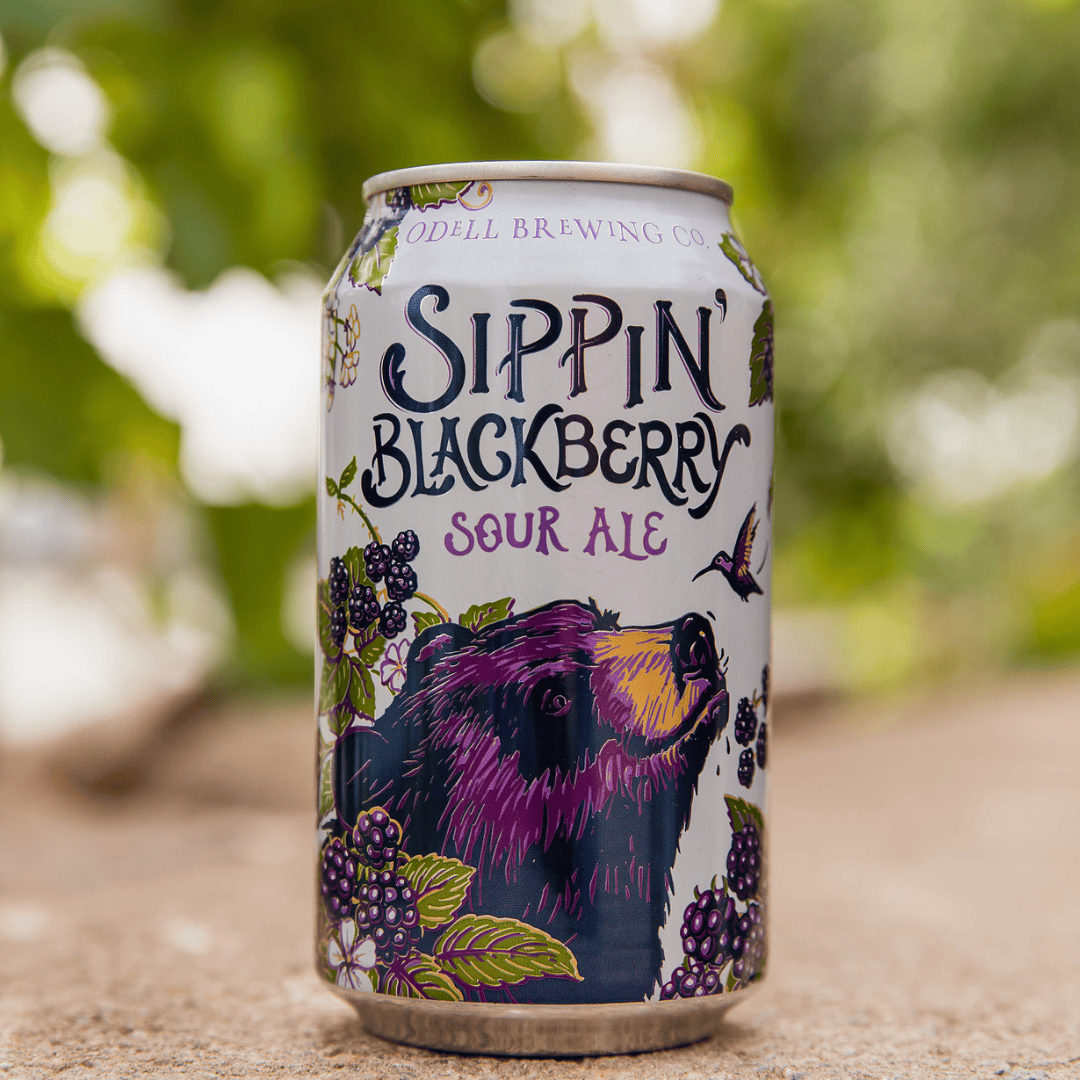
Sippin' Blackberry has been part of Odell Brewing's year-round lineup long enough that most drinkers assume it was always going to end up there. It wasn't a given. The beer started as one entry in a small family of fruited sours, and blackberry is the one that turned into a permanent fixture, still on shelves and still selling years after it launched.
We sat down with Eli Kolodny, Odell's Technical Director, to find out what made blackberry the one worth building a year-round program around. Blackberry is also one of Oregon Fruit's top selling aseptic purees by volume, so we had our own reasons to want the answer.
The Science Behind The Title
Kolodny's authority on this subject comes from the inside. He has spent his whole career at Odell Brewing, seventeen years and counting, and got there almost by accident.
“I went to Colorado State University here in Fort Collins and got my degree in biochemistry. One of the electives I took was a brewing science class. I'd already done some home brewing and fell in love with it. The semester I took that class, I became the teaching assistant for it, and Odell had bought the brewing system the class used. That's how I got introduced to Odell professionally, instead of just as a fan."
From there he started in packaging, moved into the lab where his science degree actually applied, and ran Odell's quality program before stepping into his current role.
"I've been here seventeen years, and now I'm the technical director, which here at Odell means I oversee brewing, cellar, quality, and final R&D scale up at this facility. I'm also on our executive team and help lead the company at large."
A Brewery That Started With No Fruit At All
Odell was founded in 1989 by Doug Odell, his wife Wynne, and his sister Corkie, built as an English style brewery with no real tradition of fruit in the glass. Fruit was something other breweries did, mostly in a Belgian mold, and Odell left it alone.
That changed around 2009, when Odell started barrel aging sour beers with fruit under its Friek series, using different fruits and even wine grapes to balance out heavy oak and sour notes. It was meant to solve a flavor problem in a handful of one-off releases. Instead, it opened a door.
"I think that kind of opened our eyes to using fruit more regularly in some of our production beers."
From there, the brewery moved into kettle souring, a faster method than barrel aging, and released one of its earlier canned kettle sours in a limited four pack about ten years ago. Taproom sales in Denver kept telling the same story. Fruited beers and sours were taking off as drinker preferences shifted, and flavor, more than style tradition, was driving the decision.
Odell is Colorado's largest independently owned brewery, distributing to nineteen states, though Kolodny estimates much of what they sell still stays in Colorado along the I-25 corridor. The company has been employee owned since 2015, a structure Kolodny connects directly to how Odell makes long view decisions, fruit included, without answering to a five-to-seven-year return timeline.
How Blackberry Won Out
Sippin' Pretty, a six-pack sour that became a year-round beer,is what started the format, catching on about five years ago. Odell tried to build a small family around that success, including a tropical version and a Sippin' Lemonade. Blackberry is the one that stood the test of time.
Kolodny credits blackberry's staying power to something simple: it is a flavor almost everyone already knows.
"When you say blackberry, there's a very clear image in people's heads of what that should or should not taste like, and I think that really helps us communicate to our target market. You can go to almost any grocery store and find blackberries, even out of season, because it's a popular enough fruit."
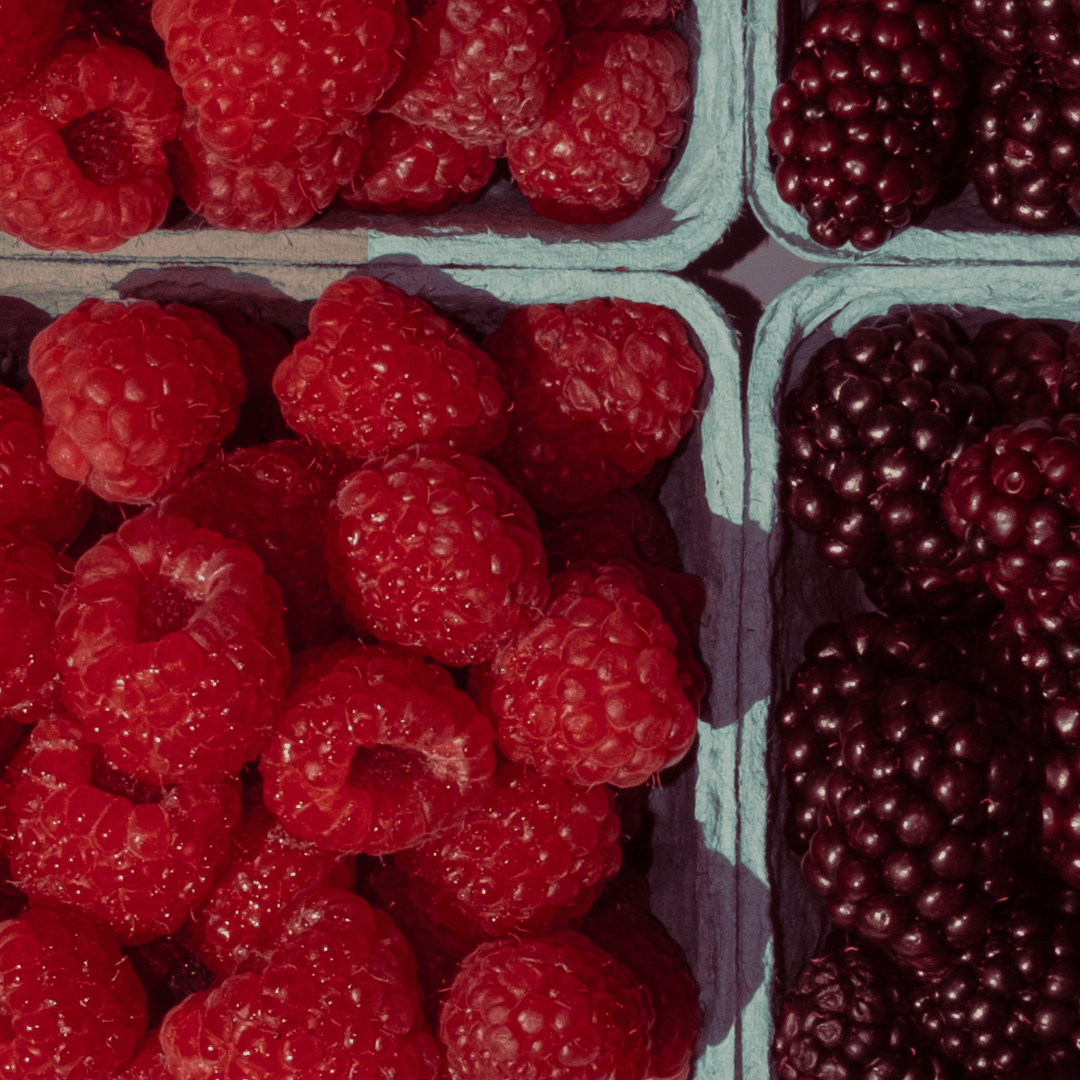
When the label on the can says blackberry, the customer expects the beer to taste like blackberry. Odell has found blackberry an easy fruit to work with, in terms of transmitting its aroma, flavor, and color to the finished beer.
The Case For Year- Round Over Seasonal
The decision to keep Sippin' Blackberry on shelves permanently, instead of rotating it in and out with the seasons, came down to demand. Customers responded, sales beat what Odell expected, and the brewery still produces enough of it to justify keeping it in regular rotation. Kolodny was direct about the plan going forward: they will keep making it until the market tells them otherwise.
Kolodny also gave credit to Odell's own marketing team for branding that makes the flavor easy to recognize on a shelf, and pointed to something he did not expect to matter as much as it does: color. Blackberry gives the beer a deep, purplish hue, closer to a glass of pinot noir than to anything most people associate with beer.
"It becomes a fun bar call. You see that almost “fajita effect” in our taproom when people order anything that's not in that yellow to amber range. People who don't know each other look at the beers coming off the bar, and they point, and they're like, what's that purple one? Can I try that next time?"
None of that works if the beer does not hold up batch to batch, which is where the fruit format comes in. Kolodny said Odell tested extracts, concentrate, and whole fruit when bringing this beer online, and kept coming back to straight puree.
"The drums of puree made the best, and it's the most consistent. This beer is so much more stable, and I think it's because of the quality of the fruit coming in. The shelf life on this beer is quite good. I'll tell anyone that it's a measurable fact. I have data."
Why the Himalayan Pink Salt
Sippin' Blackberry gets a dose of Himalayan pink sea salt, a detail that started as a technical decision and became a branding one. Kolodny traced it back to research Odell did before Sippin' Pretty even existed, brewing gose, the German style that traditionally includes salt. The team tried Celtic sea salt and plain table salt before landing on the pink variety, partly because it read as more fun and playful, and partly because calling it out helped Odell reach a different demographic than its usual crowd. Sippin' Pretty in particular was built with women as a specific target audience in mind.
Chemically, Kolodny is candid that pink salt is not doing much differently than table salt. The color comes from trace minerals, iron and magnesium among them, and he doubts most drinkers can actually taste the difference in the finished beer. What it does instead is signal intent. It is a natural, unrefined salt, and that fits the general ethos Odell is going for across its beers, letting the agriculture speak for itself rather than dressing up the ingredient list.
Fruit Beyond the Beer
Blackberry and the rest of Odell's fruit program are not confined to the brewhouse. Odell opened a winery in 2019, originally focused on fairly traditional wine and partly meant as a gluten free option for customers who cannot drink beer. When its taprooms started pouring lower alcohol spritzes made from that wine, the format took off on its own, and now includes a guava spritz built on the same guava Odell uses in one of its beers, alongside an Italian style spritz that sources raw material from Oregon Fruit.
Kolodny sees the diversification as good practice for the business generally, not just a way to chase a trend.
"If you're not at least aware of, and considering, and trying stuff that's outside your comfort zone, it's hard for you to grow, both as a business and creatively. There are things we've learned in the winery that we've brought over to beer, and things our winemakers learn at the brewery that they've brought over there. That diversity of thought and background has helped us expand."
He was careful to draw a line around where that fits in the wider market. Odell did not set out to compete in the RTD category, and Colorado law gives wine a practical edge there anyway, since wine can be sold in grocery stores in the state and spirits cannot. Even so, Kolodny said he never expected to think of the spritz line as an RTD competitor, and it has become one regardless.
Sustainability As the Baseline, Not the Headline
Ask Kolodny where sustainability shows up at Odell and the answer is less about one program than about how the whole business runs. Given that beer starts with agriculture, he does not see much of a choice in the matter.
"Sustainability is kind of table stakes in this industry. I feel like if you're a brewery, or a winery, or really anyone making a consumer packaged good, and you're not thinking about sustainability, you're probably twenty years behind. That's just the reality of agriculture in this country. We have to be thinking about our impact on the environment."
Concretely, that has meant a CO2 recovery plant, installed about five years ago, that captures fermentation gas, purifies it, and reuses it to carbonate the beer, a first among Colorado craft breweries. It has also meant walking away from bottles in favor of cans and kegs, some of the latter still in circulation after thirty years, and a move to thinner paperboard packaging instead of heavier alternatives.
"We discontinued bottles, partially because of market response, but also the environmental impacts. Shipping became such a thing. It's heavier, there's dead weight inside a case, so we're can and keg only."
Fruit sourcing plays into that math too. Kolodny said aseptic puree fits Odell's scale in a way that has real logistical upside over fresh or frozen fruit, since Odell does not run a freezer facility on site.
"With aseptic puree, we're able to store it here and consume it well within shelf life, which helps quite a bit. I can have the same fruit in a forty two pound bag-in-box to do R&D on, and then effectively the same lot of fruit in a drum for us to brew at production scale. That makes the R&D process really favorable, so we're not dealing with different suppliers or different concentrate levels for all our products. The aseptic fruit gives us confidence when we add it to the beer, because we try not to mess with it too much. It gives us confidence knowing the fruit's clean going in."
What Odell Would Tell Other Brewers
Kolodny's advice to a brewery still treating fruit as an occasional novelty is to think of it as a way in for new drinkers, not a detour from serious beer.
"For the vast majority of breweries out there, if you're not already making a fruited beer, it's a great-on ramp beer to your other offerings. The flavor can be really easily recognizable, and it might be a little sweeter, so it's appealing to a broader audience. You can get folks excited, get them into kettle sours, then maybe lagers, then pale ales and IPAs as their tastes change. It's always good to have something like that in your taproom, because the worst thing is someone new to beer and all you give them is a double IPA aged in oak barrels. That's a pretty steep learning curve."
For a brewery working with an aseptic puree like blackberry for the first time, his advice is to take sourcing seriously and stay flexible.
"I would strongly encourage you to cast a wide net when it comes to the suppliers you're working with, and the fruit types, and keep an open mind, because you might be going in thinking you want exactly one thing, but it can vary depending on who you go with and what you're trying to achieve. It's an agricultural product, and I think some folks can forget that when they're just trying to keep the business moving, with tanks to clean and payroll to do."
It Comes Down to the Fruit
Sippin' Blackberry sells for two different reasons, depending on where you catch it. On shelves, distribution customers know exactly what they are getting: the same blackberry flavor from can to can, because the puree behind it does not vary. In the taproom, it is the color that pulls people in, that deep purple standing out against a lineup of yellows and ambers until someone asks what it is. Different customers, different draw, but it comes down to the same thing both times. The fruit is what sells the beer.
What is Sippin' Blackberry?
Sippin' Blackberry is a fruited sour ale from Odell Brewing in Fort Collins, Colorado, brewed with blackberry puree and Himalayan pink sea salt. It is part of Odell's Sippin' family of beers and has been a permanent, year round release for several years.
Why did Odell make a fruited sour beer year round instead of seasonal?
According to Eli Kolodny, Odell's Technical Director, demand for Sippin' Blackberry consistently outpaced expectations, and the beer stayed stable and consistent enough in production to keep making. Odell continues to brew it year round because sales support it.
What gives Sippin' Blackberry its color?
The deep, purplish color comes from the blackberry puree itself, not from any added coloring. Odell uses aseptic blackberry puree, which Kolodny said produces a more consistent color and shelf life than a concentrate would.
Why does Sippin' Blackberry have salt in it?
Odell adds Himalayan pink sea salt, an idea drawn from the German gose style, which traditionally includes salt. The pink variety was chosen partly for its playful, unrefined character, a branding consideration as much as a flavor one, aimed in part at reaching women and other drinkers outside Odell's typical audience.
Does Odell use fresh or frozen blackberries, or puree?
Odell uses aseptic blackberry puree rather than fresh or frozen fruit. Kolodny said puree gives them more consistency between batches, does not require freezer storage, and can be sourced in both small research formats and full production drums from the same fruit lot.
Is Odell Brewing sustainable?
Odell has run a CO2 recovery plant, one of the first among Colorado craft breweries, for about five years, and has shifted its packaging away from bottles toward cans, kegs and lighter paperboard. The company is employee owned.