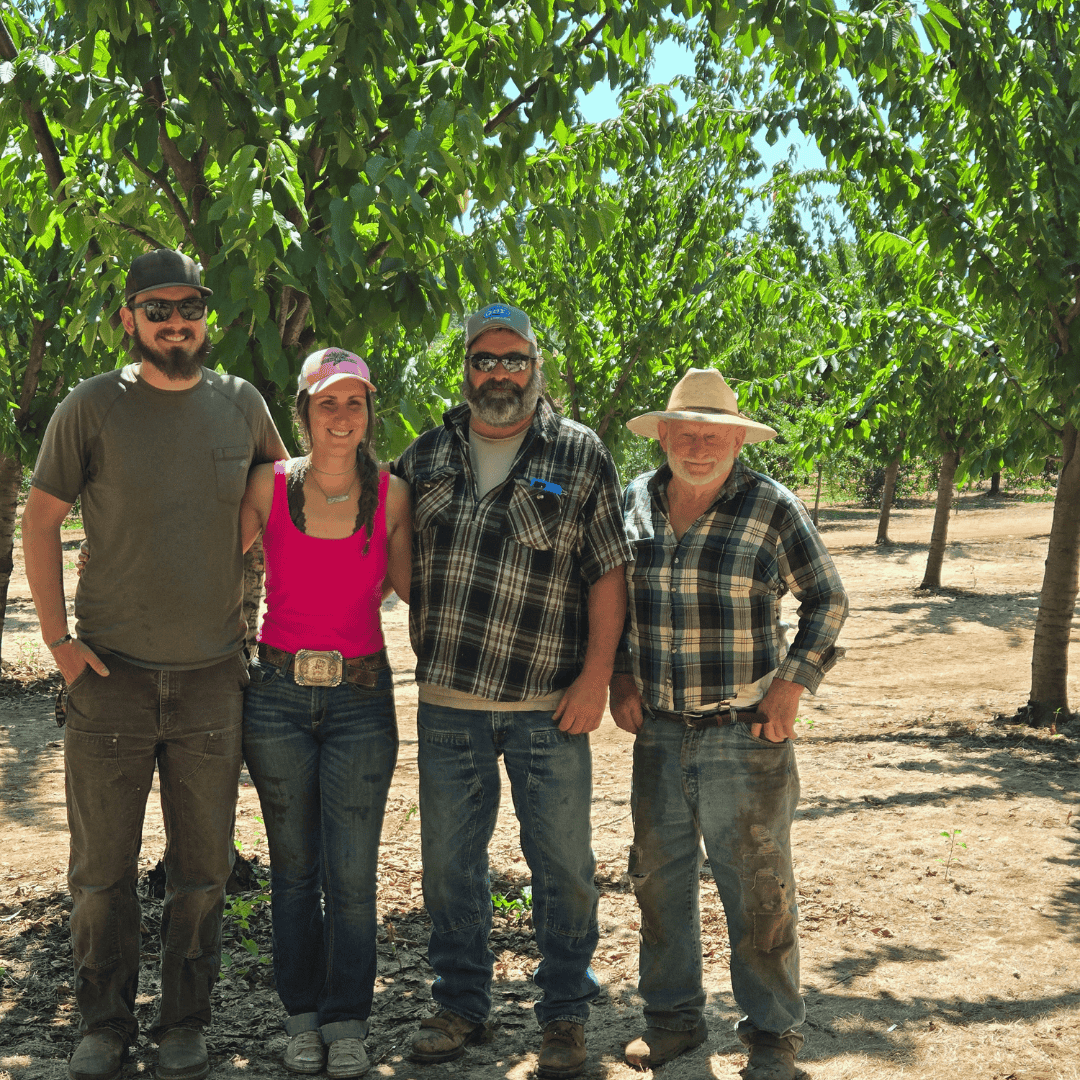

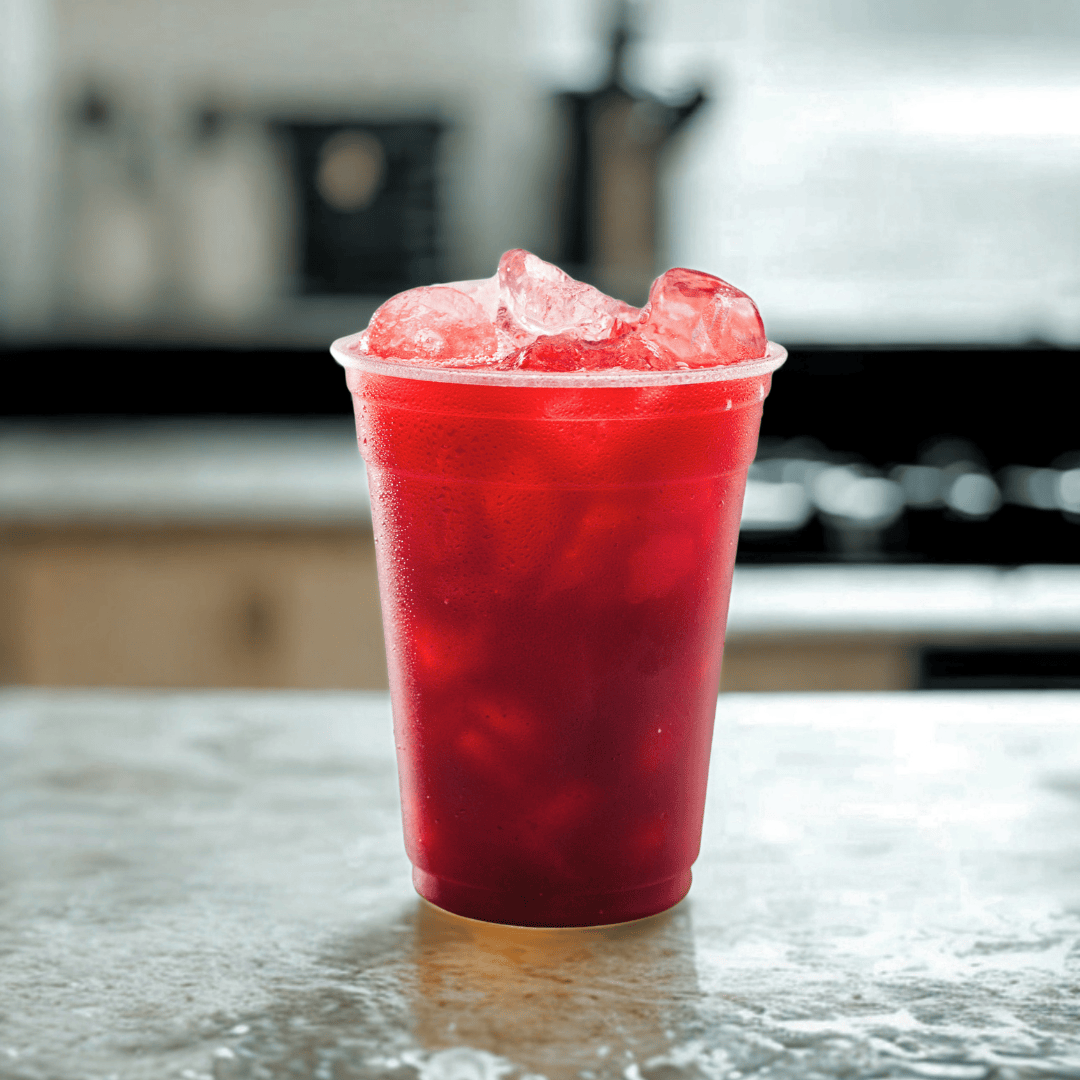
Summer means cherries are being harvested all across the Pacific Northwest. And it's a perfect time for the best cherry sodas on the market to be made, tasted, and reformulated for the year ahead. We looked at what separates a forgettable cherry soda from a genuinely great one. The answer wasn't a secret flavor house or a proprietary process. It was ingredient quality. Specifically, it was the fruit.
The best cherry sodas all start with real fruit, not flavor alone
Cherry flavoring is cheap and shelf-stable. Real cherry is not, at least not in its raw form. That's the tension every beverage manufacturer runs into when formulating a cherry soda: flavor-forward extracts are easy to source and easy to scale, but they taste like an idea of cherry rather than the fruit itself.
The sodas that stand out use actual cherry fruit as a base, layered with flavor rather than substituting for it. Tart cherry, sweet cherry, and blends of the two show up in the best examples, contributing natural acidity, color, and a rounder mouthfeel that flavor compounds alone can't replicate.
This matters more in cherry than in almost any other fruit category. Cherry flavoring is one of the most recognizable "fake fruit" notes in the flavor world. Much of the "cherry flavor" most people grew up with, from hard candy to cough syrup to fountain soda, is built around benzaldehyde, a compound that occurs naturally in cherry pits but is manufactured synthetically for flavoring at scale. It reads as "cherry" by association, but it's actually closer to a bitter-almond or marzipan note than the taste of an actual cherry.
Maraschino cherries, bright red, processed, bleached and dyed, reinforced that same flavor and color association for most of the 20th century. That's exactly why it matters when a beverage leads with real fruit instead. It's not competing against a neutral blank slate, it's competing against a flavor memory that's been reinforced by candy and cough syrup for decades. Consumers can tell the difference between that fake flavor and the real fruit — it's the reason we recently introduced our own cocktail cherries, featuring Pacific Northwest cherries and Jacobsen Salt from the Oregon Coast.
Best-in-class cherry sodas, and what their labels have in common
We pulled a handful of standout cherry sodas on the market right now. Worth noting upfront: not all of them are extract-free. Several list "natural flavor" alongside real fruit juice or puree, which is common practice even in fruit-forward formulations. What they share is that real cherry, not flavoring, does most of the work.
Sprecher Cherry Cola (Milwaukee, WI)
Sprecher infuses a cola base with Door County cherry juice and Wisconsin honey. The oldest craft brewery in the city built a cola around real regional fruit rather than a cola-flavor-plus-cherry-flavor stack.
Wisco Pop! Sparkle Organic Cherry Soda
Wisco Pop! keeps its ingredient list short: sparkling filtered water, organic cane sugar, organic tart cherry juice, organic lemon juice, potassium sorbate, organic vanilla, organic cinnamon. No cherry flavoring on the label at all, tart cherry juice does the job on its own.
Spindrift's Shirley Temple
Spindrift leans on cherry puree specifically, alongside pomegranate, tart cherry, apple, lime, and lemon juices. It's one of the few on this list built around puree rather than juice or concentrate, which is closer to how a beverage manufacturer would formulate with aseptic cherry puree at scale.
Nowhere Foods' Ridgeline
Nowhere won a Nexty Award for Best Non-Alcoholic Beverage at the 2026 Natural Products Expo, recognition that tracks with the broader trend of fruit-forward, functional beverages winning on ingredient quality.
The pattern across the award winners and the label standouts is consistent: cherry juice, puree, or concentrate listed high and early, doing the flavor work a soda actually needs. Flavoring shows up as a support player in some formulations, not as the whole strategy.
Aseptic cherry puree is how the best cherry sodas solve the consistency problem
Ingredient quality is the hardest part of scaling a fruit soda. Sourcing whole or frozen cherries sounds simple until a production schedule requires it. How are beverage manufacturers accessing consistent high quality fruit inputs?
Aseptic fruit puree is shelf-stable and pourable at ambient temperature. No freezer, no thaw time, no walk-in cooler tying up warehouse space. It ships in drums, boxes, or smaller pilot-batch sizes, and it goes straight into a batch tank the same way every time.
That consistency is the actual advantage. Aseptic puree is processed and packaged to a standard, so brix, pH, and color land in the same range from lot to lot. A production team doesn't have to re-dial a recipe every time a new batch of cherries comes in from a different farm or a different week of the season. The formulation stays put. The soda tastes like the soda.
This is also why "clean label" and "shelf-stable" aren't in tension the way they sound. Aseptic processing uses heat and sterile packaging to preserve fruit without added preservatives, so the ingredient panel can stay short: cherries, water, maybe citric acid.
Depectinized cherry puree (also called enzyme-treated) goes a step further for beverage applications, breaking down the pectin that causes cloudiness or settling, so the puree stays smooth and pourable through commercial filling equipment.
Fruit for beverage manufacturing needs to behave like an ingredient, not a garnish
Fruit for beverage manufacturing has different requirements than fruit for a bakery mix-in or a jam. It has to flow through pumps, filters, and fillers without clogging a line. It has to hold flavor and color through pasteurization or carbonation. It has to arrive in a format that a production team can measure, scale, and repeat.
Aseptic puree checks those boxes because it's built for exactly that job. It's not a repurposed food-service product. It's formulated to move through a beverage line the way a beverage ingredient needs to move.
Filter-friendly purees are worth a specific mention here: they're built to run cleanly through filtration equipment for clear or lightly cloudy applications, but they're a different tool than a concentrate. A filter-friendly puree isn't a substitute for concentrate in formulations that call for concentrated flavor and sugar load. Manufacturers should treat them as two different ingredients with two different jobs, not interchangeable options.
The takeaway for craft brewers and beverage manufacturers formulating a cherry soda
The best cherry sodas share three traits:
- real fruit as the base
- a consistent ingredient supply
- a short, clean ingredient list
Aseptic cherry puree delivers on all three at once. It's shelf-stable, it's easy to work with on a production line, and it keeps the fruit doing the flavor work instead of a flavor compound doing it for the fruit.
For a category where consumers can taste the difference between real cherry and cherry-adjacent, that's not a small thing. It's the thing.
FAQ
What makes a cherry soda taste like real cherry instead of artificial flavoring?
Using actual cherry fruit, typically as a puree or concentrate, rather than relying solely on flavor compounds. Real fruit contributes natural acidity, color, and mouthfeel that flavoring alone doesn't replicate.
Is aseptic cherry puree shelf-stable?
Yes. Aseptic fruit puree is shelf-stable and pourable at ambient temperature. It doesn't require freezing, refrigeration, or thawing before use.
What's the difference between depectinized and enzyme-treated cherry puree?
Nothing. They're two names for the same process, in which enzymes break down pectin to reduce cloudiness and improve flow through filtration and filling equipment.
Can filter-friendly puree replace fruit concentrate in a beverage formulation?
No. Filter-friendly puree is designed to run cleanly through filtration equipment, but it's not formulated to deliver the concentrated flavor and sugar load that a concentrate provides. They serve different formulation needs.
Why do beverage manufacturers prefer aseptic puree over fresh or frozen cherries?
Consistency and logistics. Fresh cherries are seasonal and frozen cherries require cold storage, thawing, and manual prep, all of which introduce batch-to-batch variability. Aseptic puree arrives ready to use with consistent brix, pH, and color from lot to lot.
Oregon Fruit Co. has been processing fruit from local cherry growers n Salem, Oregon since 1935.