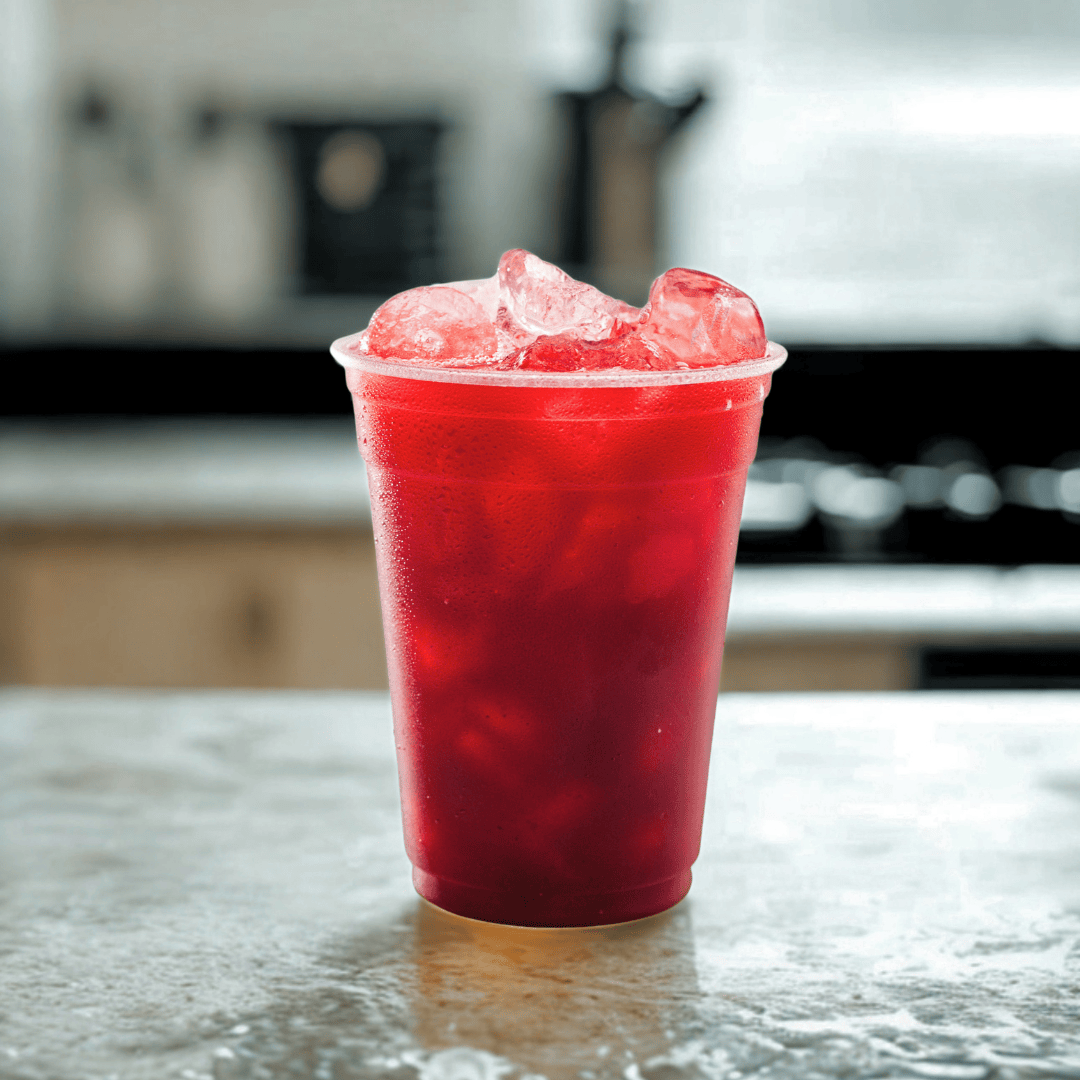

Cherry is cherry, until you're the one balancing a recipe.
We make two aseptic cherry purees using different fruit varietals. One is tart, one is sweet. They come from different trees, hit different numbers on a refractometer, and behave differently in a fermenter or a bright tank. If you've been defaulting to whichever one is in stock, here's what you're actually choosing between.
THE FRUIT ITSELF
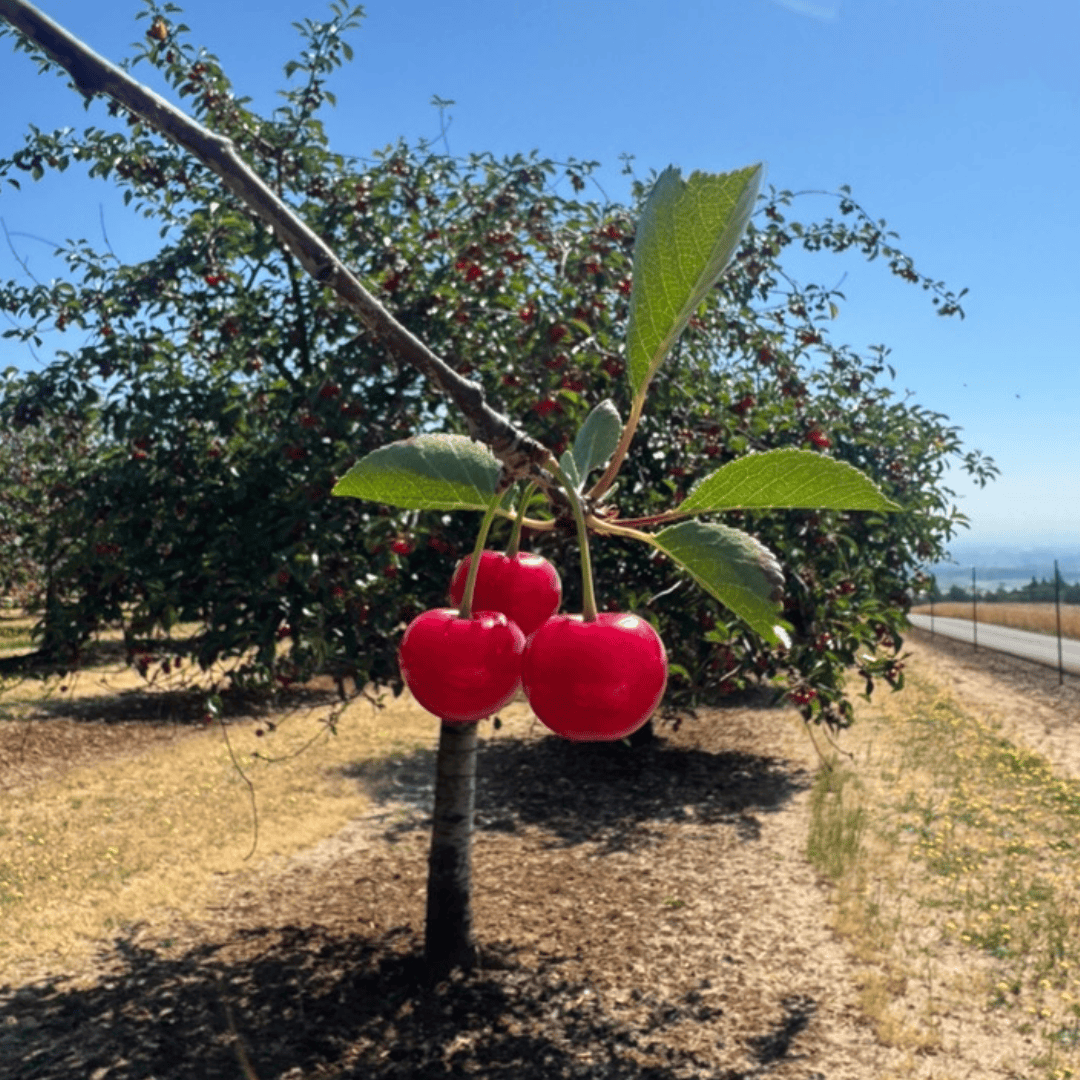
Our Red Tart Aseptic Cherry Puree is a single varietal: Montmorency, grown in the Willamette Valley. One cherry, one flavor profile, harvest to harvest. We've walked one of these orchards ourselves [read that visit here if you want the dirt-under-the-fingernails version of where this fruit comes from.]

Our Dark Sweet Cherry Puree is a blend of Bing, Van, Lambert, and Skeena, all grown in the Pacific Northwest. Blending varietals here smooths out season-to-season variation and gives you a rounder, more consistent flavor.
We also offer our Sweet Cherry Puree in a Filter-Friendly format. We enzyme treat the puree for reduced viscosity, a higher yield, and easier processing.
As with all of our fruit purees, our cherry options are aseptically packaged, shelf stable at room temperature, and pourable straight from the package. No thawing, no freezing, no walk-in required. That matters more than people think when you're planning tank time around a fruit addition.
BY THE NUMBERS
Tart and sweet cherries aren't just a flavor decision. They're a math decision.
Montmorency tart cherries run naturally low in sugar and high in acid. With a brix of 8.5-18.5 and ph between 2.90-3.90, this puts our red tart puree in the range you'd associate with pie cherries, because that's exactly what these are bred and known for.
Bing, Van, Lambert, and Skeena run the opposite direction: higher Brix, between 16-28, higher pH between 2.50-4.00, less acid bite.
What that means at the kettle or the blending tank:
- Red Tart puree: brings acidity you don't have to build yourself. If you're chasing a sour or tart profile, you can often dial back added acid additions and let the fruit do the work. You may need to compensate with sugar if the style calls for more roundness.
-
Dark Sweet puree: brings sugar you don't have to build yourself. It ferments out clean and leaves less residual tartness, so if your style depends on a bright, acidic finish, you'll likely need an acid addition to keep it from tasting flat or one-note.
HOW THEY TASTE IN THE GLASS
Red Tart from Montmorency cherries reads as bright, sharp, almost cranberry-adjacent when it's young, mellowing into a more classic "pie cherry" character as it settles. It cuts through sweetness instead of adding to it. In a seltzer or a light beer base, it wakes the whole thing up.
The Dark Sweet puree from our Bing/Van/Lambert/Skeena cherry blend reads as jammy, deep, and rounder. Less pucker, more dessert. It's the cherry flavor people expect when they hear "cherry" without qualifiers. In a stout or a cream soda, it deepens rather than sharpens.
Neither is more "true" to cherry. They're just different cherries doing different jobs.

FOR BREWERS
The Brix and pH differences above aren't just spec sheet trivia. They point pretty directly at which styles each puree is built for.
Red Tart → fruited Berliner Weisse or Flanders-style sour ale.
These styles want acidity as a feature, not a bug. Montmorency's natural tartness lets you lean on the fruit for character instead of stacking lactic or acid additions on top of a neutral base. Cherry Weisse is a genre for a reason.
Dark Sweet → fruited stout or porter.
Chocolate and dark cherry is not a new idea, but it's a good one, and the Bing/Van/Lambert/Skeena blend gives you the round, jammy depth that stands up to roasted malt without turning candy-sweet. Works equally well in a fruited brown ale if stout isn't your lane.
FOR NON-ALCOHOLIC AND FUNCTIONAL BEVERAGES
The same sugar-and-acid math applies outside the fermenter. It just shows up as flavor balance and label-friendly sugar counts instead of gravity readings.
Red Tart → tart cherry kombucha or a shrub-style soda.
Tart cherry already carries a health-forward story (recovery, antioxidants) that a kombucha or functional soda audience recognizes on sight. The natural acidity also plays well against a vinegar-forward shrub base without needing much adjustment.
Dark Sweet → black cherry cream soda or a cherry-vanilla NA cocktail base
This is the nostalgic, crowd-pleasing lane. The blend's natural roundness means you can build a genuinely rich flavor without leaning hard on added sugar, which matters if you're watching total sweetness on label.
THE SHORT VERSION
If your recipe needs acid, reach for the tart. If your recipe needs body and roundness without added sugar, reach for the sweet. Most of the guesswork disappears once you know which job the fruit is doing.
FAQ
What's the difference between Oregon Fruit's red tart and dark sweet cherry aseptic purees?
The red tart puree is a single varietal, Montmorency, from the Willamette Valley. The dark sweet puree is a blend of Bing, Van, Lambert, and Skeena cherries grown in the Pacific Northwest. Tart cherries run higher in acid and lower in sugar; sweet cherries run the opposite.
Can I substitute one cherry puree for the other in a recipe?
You can, but you'll need to adjust for sugar and acid. Swapping tart for sweet generally means adding acid to hold the same brightness. Swapping sweet for tart generally means adding sugar to hold the same body.
Do these purees need to be thawed before use?
No. All of our fruit purees are aseptically packaged and shelf stable at room temperature. They're pourable straight from the package, no thawing or freezing required. They are available in 42lb box, 425lb drum, and 2300lb tote.
Which cherry puree is better for a sour beer?
The red tart Montmorency puree is the more common choice for sour and wild ale styles, since its natural acidity works with the style instead of requiring correction.
Oregon Fruit Co. has been processing fruit from local cherry growers in Salem, Oregon since 1935.