
The cherries are here.
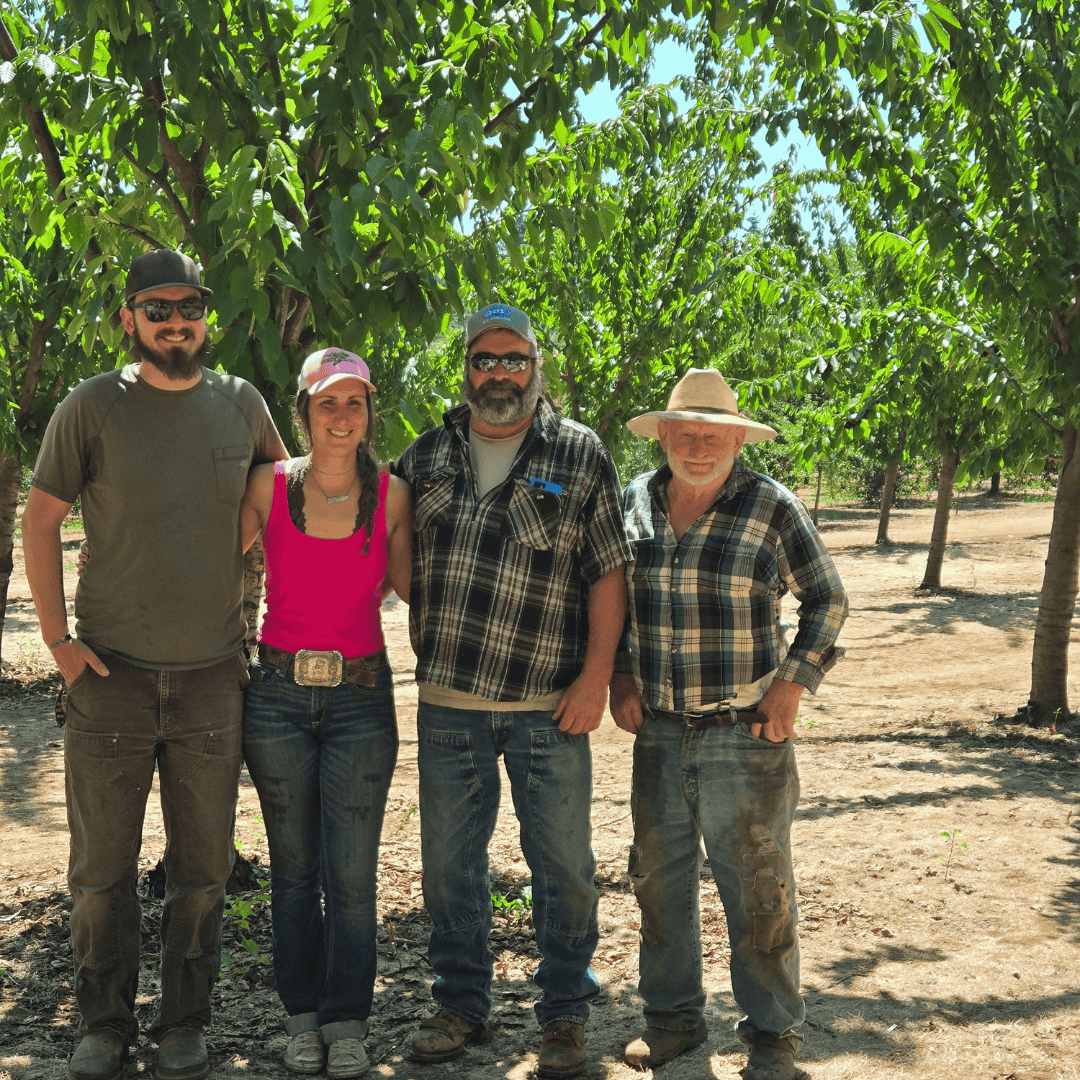
The first week of July found the Oregon Fruit team at Brutke Farm for the first day of red tart cherry harvest. We watched the trees get shaken, the fruit drop into water-filled totes, and a truck pull out of the orchard headed for our facility in Salem.
Thirty minutes later, we were watching those same cherries be unloaded to begin their move through our production line on their way to becoming aseptic red tart cherry puree.
It's a fast thing to watch. But it's about a year's worth of work to pull off.
If you missed our last post, it's worth a read before this one: Meet An Oregon Cherry Puree Farm. That piece covers the Brutke family history, the farm's partnership with Oregon Fruit, the work that takes place over winter, and why red tart cherry orchards in Oregon are rarer than they used to be.
Now we're at the other end of the story.
A Spring Worth Worrying About
When we visited the Brutke's in the spring, the cherry blossoms were out. A good bloom means a good crop, and this one looked promising. We joined them as they expected the health of the trees and blossoms.
The Brutkes were also watching the weather closely. Warm temperatures too early in the bloom can stress the blossoms and knock the fruit set. A bad weather window at the wrong moment can mean a poor harvest -- or worse, damage to the trees themselves.
The good news: it came together. This year's harvest was strong. Lots of ripe fruit, but not so heavy on the branches that it caused structural damage to the trees. In cherry farming, that's the balance you want. A harvest big enough to be worth it, but not so excessive that it costs you next year.


What Harvest Actually Looks Like
Red tart cherry harvest moves fast. The window is short, and the fruit doesn't wait.
The Brutkes use mechanical harvesters to shake the trees. It looks about like what you'd imagine: a machine grips the trunk, the tree shakes, and cherries fall. They land on a catch frame beneath the canopy and feed onto a conveyor belt that moves them directly into water-filled totes.
The water isn't incidental. Red tart cherries bruise easily. Water cushions the fall, protects the fruit during transport, and makes it easier to skim debris when the load arrives at our facility. Everyone involved cares about what the fruit looks like when it hits our line.
From the orchard, the totes are loaded onto a truck. The drive to our facility in Salem takes about thirty minutes. That proximity is not an accident. Brutke Farm is part of our sourcing strategy specifically because of how close they are. Less time in transit means fresher fruit and more flexibility in how we schedule production.
When the truck pulls in, we get to work.
From Orchard to Aseptic Puree
This year's harvest came through our production line and went straight into aseptic processing.
Aseptic puree is what most of our brewery, beverage, and industrial ingredients customers are working with. It's shelf-stable, consistent, and ready to use in fermentation, blending, or any application that calls for real fruit flavor without the logistics of fresh handling. Our red tart cherry puree is made from whole Oregon-grown fruit, processed at peak ripeness, sealed aseptically, and ready to ship.
No one else is doing this with Oregon-grown red tart cherries. Most aseptic fruit purees on the market come from imported fruit. Ours doesn't. That's a choice we've made on purpose, and it takes more coordination to pull off than the end product might suggest.
The Brutkes manage the orchard year-round. We manage the production schedule around their harvest window. Our procurement team stays in contact through dormancy, through bloom, and through harvest. Sourcing decisions made in January affect what's on our line in July.
When you're working with a crop this specific, from a family that's been growing it for generations, nothing about it is automatic.

Why We've Been Telling This Story All Year
We've visited Brutke Farm three times now. In February, to meet the family and see the orchard at rest. In spring, when the blossoms were out and the season felt uncertain. And last week, when the fruit came off the trees and made the thirty-minute drive to Salem.
Each visit added something. Context, mostly. The kind of context that doesn't fit on a product page but matters if you're a brewer trying to understand what you're actually pouring into your tank, or a
Our red tart cherry puree is Oregon-grown, fifth-generation farmed, harvested into water, processed within the hour, and sealed aseptically within thirty minutes of the orchard. If you've been trying to source local, traceable, real-deal red tart cherry, this is what that looks like in practice.
We think that's worth knowing.
Ready to Source Red Tart Cherry?
Shop Oregon Fruit aseptic red tart cherry puree, or reach out to talk about volumes, lead times, and what this harvest looks like for availability.