
An Interview with Paul, Owner of John’s Marketplace
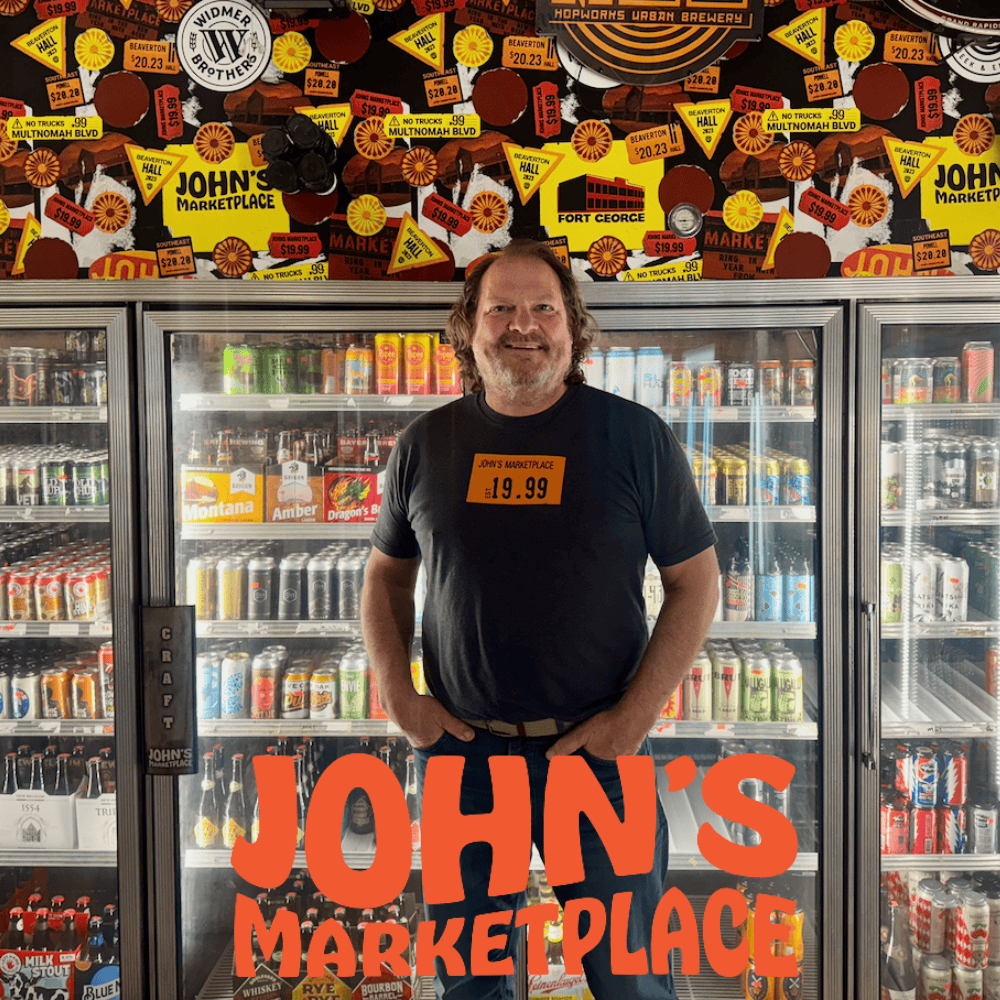
Walk into John's Marketplace in Portland, Oregon, and you'll see the future of the beverage industry playing out in real time. The shelf has been quietly reshuffled — what's front and center today would have surprised you even two years ago. And the person orchestrating it all will tell you the same thing: if you're willing to adapt, the opportunity right now is massive.
We sat down with Paul Petros, the owner of John's Marketplace, to get a ground-level view of what's actually moving at one of the most respected bottle shops in the Pacific Northwest. John's has been a Portland institution for decades, renowned for carrying one of the broadest selections of beer, cider, and specialty beverages in the region. Paul has a clear mission: spread the beer love and help people discover what they didn't know they were looking for.
What he shared is a roadmap for any brewer or beverage producer trying to figure out where the market is headed — and how to get there first.
Non-Alcoholic: Not a Fad, a Fixture
If there’s one beverage trend Paul is unequivocal about, it’s the staying power of non-alcoholic options. When you first walk in to John’s Marketplace, past the bar on your left and cozy seating area, you’re met with a wall of refrigerated Non-Alcoholics. John’s Marketplace flipped the placement of hard seltzers and NA beverages over a year ago, giving non-alcoholics the prime shelf real estate. The results speak for themselves.
Paul recalls walking through Dublin Airport and finding a dedicated kiosk for non-alcoholic Guinness. That moment crystallized it for him: when a brand like Guinness invests that heavily, the category is here to stay. Back in Portland, NA beverages were accounting for 8% of package sales during the holidays—and climbing.
"NA is permanent. It’s here to stay."
For brewers, the implication is clear. NA is expensive to produce, but it’s becoming necessary. New yeast strains that produce lower alcohol are opening doors, and techniques like kettle souring can deliver great flavor without the ABV. Paul points to Little Beast as a local Portland brewery getting into the NA space, and he recommends brewers look to Europe—particularly Belgium—for inspiration. They’ve been doing it long enough that the experimentation phase is over.
The Lager Renaissance Is Real
For years, the craft beer conversation revolved around bigger, bolder, hoppier. Paul sees that era settling down. The American palate, he says, has finally found its lager taste. The sense that beer has to scrape your face with bitterness has fallen by the wayside. That shift isn’t a retreat—it’s a maturation.
"The sense that beer has to be so big and scrape your face has finally fallen by the wayside."
Breweries like Pfriem and Wayfinder are leading this charge in the Pacific Northwest, and customers are responding. For brewers wondering where to focus energy, lagers represent a category with genuine growth and consumer enthusiasm. Nobody wants to be hungover all the time, Paul notes with a laugh. There’s a real appetite for well-made, sessionable, flavorful beer that doesn’t knock you out after two pints.
What’s Cooling Off — and Why
Not everything is growing. Hazies have hit their peak on the West Coast, according to Paul. Slushie-styles are showing early signs of decline. And classic malt-forward styles—browns, ambers, reds, hefeweizens—are struggling not because they’re bad, but because consumers don’t understand them.
Paul puts it bluntly: the names aren’t meaningful. A term like “IPA” carries an experience with it. But “amber” or “hefe”? Most drinkers today don’t have the reference point. There’s a real opportunity here for brewers willing to invest in education and storytelling around these styles.
The Gen Z Factor: Rethinking Carbonation and Alcohol Consumption
One of the most surprising insights from our conversation: Gen Z may not love carbonation. Paul points to products like New Belgium’s still, uncarbonated offerings—designed to look more like a sports drink than a beer—as a signal of where younger consumers are heading. They feel bloated from fizz, which could explain why cocktails, milkshake-style beers, and slushy textures have resonated with this demographic.
For beverage producers, this is a significant data point. Gluten-free beer, low-carbonation options, and cider-based cocktails are all categories worth watching. John’s Marketplace has seen strong performance from NA cocktails and cider-based RTDs from producers like Two Towns (under the Craftwell Cocktails label) —products that sit at the intersection of multiple trends at once.
THC Beverages: The Wild Card
Paul doesn’t shy away from the THC conversation. Hemp-derived THC beverages are crossing every demographic boundary he can think of—from the aging boomer looking to avoid hangovers to the soccer mom replacing her evening glass of wine. John’s Marketplace always welcomes families for traditional trick-or-treating, and this past Halloween many moms and dads casually reached into the cooler for a THC soda to enjoy while walking the neighborhood. Oregon has been welcoming to the hemp category, and Paul sees it as a permanent part of the beverage mix.
He also offers a cautionary reminder for the beer industry more broadly: everyone noticed when Colorado legalized marijuana and beer sales took a serious hit. Whether brewers embrace THC-adjacent products or not, ignoring the category isn’t really an option.
When Fruit Works — and When It Doesn’t
As Oregon Fruit, we had to ask: what separates a fruited beer that moves from one that sits? Paul’s take: it comes down to how good it is. Kettle sours are more approachable and don’t need to be overly complex. But when a beer gets so loaded with ingredients that you need a botany degree to decode the label, you’ve lost the customer.
There’s a sweet spot between simple and sophisticated, and the brewers who find it are the ones moving product. And here’s a quick tip from Paul: if you’re drinking out of a can, you don’t experience the color. Keep that in mind when designing the experience.
Community Is the Comeback Story
Underneath all the data and trends, Paul keeps circling back to one idea: community. The pandemic, the economy, rising anxiety—these forces fractured the social fabric that gathering spots like bottle shops and taprooms depend on. But Paul sees families returning to the shop and staying to eat, drink and socialize. And they’ve even expanded their seating area and added couches in addition to tables. National alcohol sales may have bottomed out last year, and the path forward is about getting people together again.
“Get out and be together. It doesn’t have to be a pub crawl. Just hang out with us.”
For brewers and beverage producers, this is a reminder that you’re not just selling a product—you’re fueling moments of connection. The brands that lean into community, education, and shared experiences are the ones that will earn lasting shelf space and loyal drinkers.
The Bottom Line
The beverage industry is in the middle of a significant transformation. Alcohol consumption patterns are shifting, new categories are emerging, and consumer expectations are evolving fast. But if our conversation with Paul made one thing clear, it’s this: for brewers and producers willing to adapt, focus on quality, and stay true to their identity, the opportunity has never been richer.
The shelf doesn’t lie. And right now, it’s wide open for those ready to earn their spot.
Oregon Fruit Products partners with brewers to create exceptional fruited beverages. Reach out at fermentation@oregonfruit.com to learn how we can help you stand out on the shelf.