
Yearly Brewery Planning with Real Fruit: How Fifth Ward Brewing Saves Time and Money with Oregon Fruit
For many breweries, annual planning is a scramble. Ingredient availability shifts. Freight costs spike. Trends change mid-year.
At Fifth Ward Brewing, yearly planning is anything but reactive. Cofounder Zach Clark treats it like a financial model: forecasted, mapped, and built around trusted supply partners.
One of those partners is Oregon Fruit Company.
Here’s how that relationship helps Fifth Ward produce 50 beers a year, without tying up cash, freezer space, or tank time.
A Culinary-Driven Brewery with No Flagships
Fifth Ward was never meant to be a “flagship IPA” brewery.
When Zach Clark and Ian Wenger founded the company, they wanted something culinary-inspired—rotational, ingredient-forward, and constantly evolving. Today, they brew approximately 50 different beers annually, with:
- 50% returning favorites
- 50% new or revived experimental concepts
That level of creativity requires disciplined planning behind the scenes.
Zach, who oversees accounting, forecasting, and scheduling, builds the entire production calendar before the year even begins.
By early January, the brewery’s full 12-month roadmap is mapped out:
- Category balance (malty, hoppy, fruity, dark)
- Seasonal shifts
- Tank allocation
- Ingredient timing
- Fruit delivery schedules
This kind of structured brewery yearly planning minimizes guesswork and protects margins.

How Oregon Fruit Supports Smarter Annual Brewery Planning
1. Guaranteed Supply for Scheduled Brews
Zach works directly with Oregon Fruit’s sales team to map fruit needs against the brewing calendar.
Rather than ordering sporadically, Fifth Ward structures fruit deliveries into four quarterly shipments per year.
This provides:
- Predictable ingredient flow
- Protection against seasonal shortages
- Alignment with production schedules
No more recipe pivots due to missing fruit.
2. Lower Freight Costs Through Full Pallet Shipping
By planning fruit needs in advance, Fifth Ward consolidates shipments into full pallets.
That means:
- Lower per-box freight costs
- Fewer emergency deliveries
- Better transportation efficiency
For breweries watching margins closely, freight optimization can make a meaningful difference over the course of a year.
3. Shelf-Stable Fruit = No Freezer Bottleneck
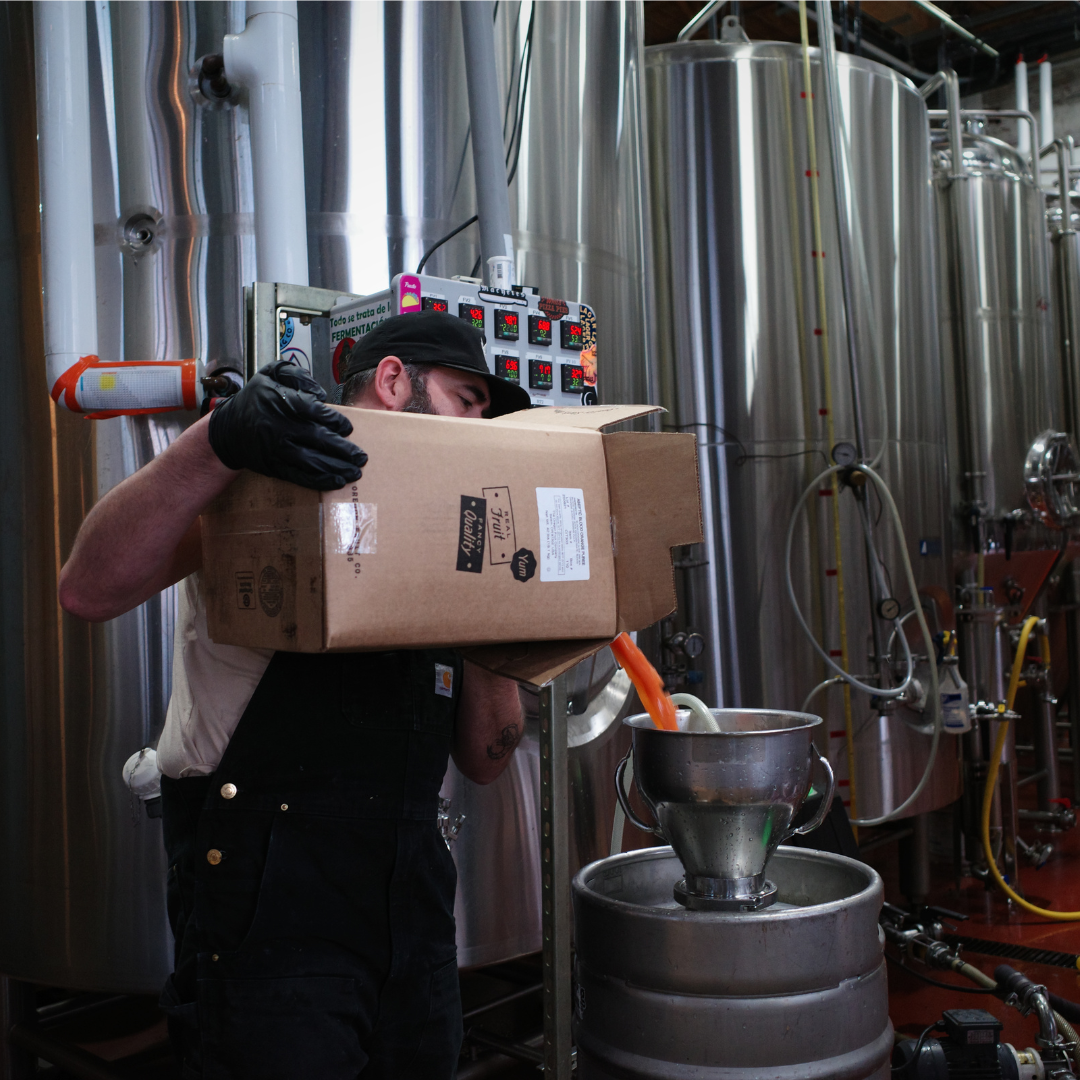
One major operational advantage: Oregon Fruit’s aseptic fruit is shelf stable.
Fifth Ward’s warehouse typically runs 64–80°F, and they do not have significant freezer capacity. Shelf-stable fruit allows them to:
- Store product without frozen storage costs
- Preserve valuable cold storage for other uses
- Avoid thawing time and handling complications
- Reduce waste
For many breweries, freezer space is one of the most expensive square feet in the building.
4. Improved Cash Flow and Inventory Control
By breaking deliveries into quarterly shipments:
- Fruit doesn’t sit too long in inventory
- Cash isn’t tied up in excessive upfront purchases
- Production can flex slightly without overcommitting
Zach’s background in accounting heavily influences this model. He plugs distributor and taproom sales data into spreadsheets to forecast monthly category performance, then aligns fruit purchasing accordingly.
This integration of sales data + ingredient planning reduces overproduction risk.
Learning from Early Inventory Mistakes
Like many growing breweries, Fifth Ward once overproduced in anticipation of growth.
The result:
- Too much beer sitting in tanks
- Fewer new releases
- Reduced taproom traffic
They learned that consistent new releases drive foot traffic. If they go 4–5 weeks without something new, sales dip.
Today, they prioritize nimbleness:
- Maintain tank flexibility
- Avoid excess finished product
- Use fruit rotations to drive excitement
Because you can always brew more beer, but you can’t un-brew it.
Why Real Fruit (Not Extracts) Matters
Fifth Ward uses 100% real fruit, not extracts.
In some cases, they blend fruit puree with concentrate for balance. For example:
- Strawberry beers often run at approximately 75% puree / 25% concentrate to amplify flavor intensity.
They’ve found that:
- Berry beers consistently outperform tropical options in their Wisconsin market
- Fruited beers sell year-round
- Summer increases overall volume, not necessarily fruit-specific demand
Fruit pricing and availability absolutely influence margins. Pre-COVID, raspberry could be under $100 per box. After supply disruptions and crop events like the Pacific Northwest heat dome, pricing volatility became real.
That’s why working with a long-term fruit supplier matters.
Frootenany: Letting Fruit Be the Star
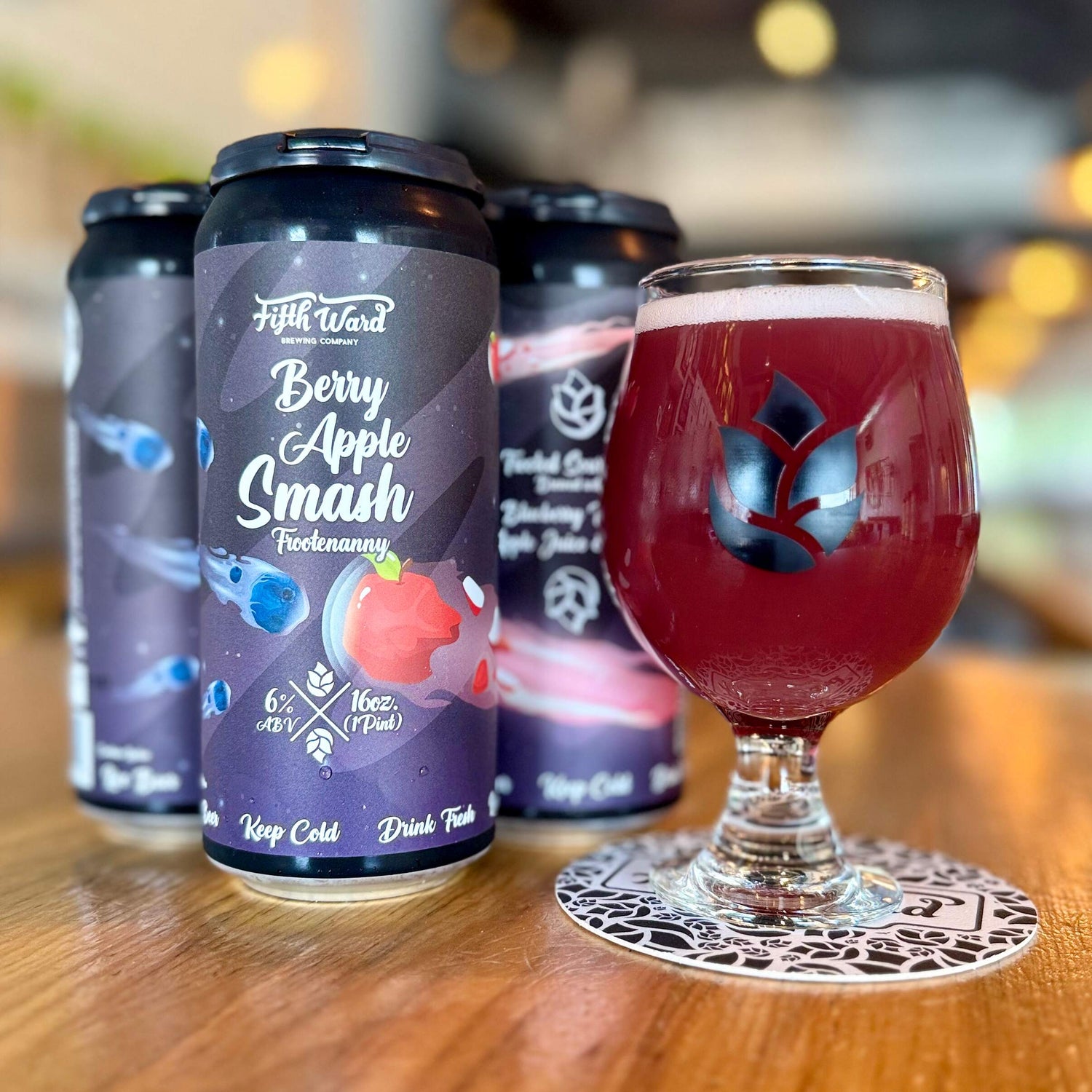
Fifth Ward’s signature rotating fruit series, Frootenany, is built around showcasing fruit as the hero ingredient.
The concept is inspired by a musical hootenanny—where performers rotate into the spotlight.
At their annual Frootenany Festival, they’ve:
- Released 12 different 1-barrel batches in a single day
- Tested bold concepts like Bloody Mary sour, spicy pickle, pineapple horchata
- Used small batches to gather real-time consumer feedback
Successful experiments later scale into full 15-barrel production runs.
This type of innovation works because the fruit supply is reliable and pre-planned.

Why December and January Matter Most
In hospitality, January and February are typically the slowest months.
For Zach, they’re the most strategic.
That’s when:
- The full brewing calendar is finalized
- Ingredient forecasts are locked in
- Quarterly fruit deliveries are scheduled
- Margins are modeled
Strong annual planning protects breweries from:
- Supply chain disruption
- Margin erosion
- Excess inventory
- Reactive production decisions
Oregon Fruit as a Strategic Brewery Partner
Oregon Fruit isn’t just a fruit supplier.
For breweries like Fifth Ward, they function as:
- A forecasting collaborator
- A freight optimization partner
- A shelf-stable storage solution
- A margin-protection tool
- A supply chain stabilizer
With fruit mapped against the production calendar and delivered in quarterly full-pallet shipments, Fifth Ward reduces risk, protects cash flow, and saves operational time.
In a brewing environment where margins are tight and trends move quickly, that stability matters.
Planning for 2026 and Beyond
Fifth Ward’s next Frootenany Festival is scheduled for August 15, 2026, featuring live bluegrass bands and a lineup of fruit-forward experimental beers.
Behind the scenes, the fruit for that event will likely already be mapped into a production spreadsheet months in advance.
Because creative beer programs require disciplined operational planning.
And the right fruit partner makes that possible.
Breweries: Is Your 2026 Fruit Program Locked In?
If you’re building this year’s calendar now, consider:
- Forecasting fruit usage by quarter
- Consolidating shipments to reduce freight costs
- Leveraging shelf-stable fruit to free up freezer space
- Locking in supply to avoid mid-year pivots
Smart annual brewery planning isn’t just about recipes.
It’s about relationships that protect your time, your margins, and your production schedule.